Carpet Cleaning in End of Tenancy: A Practical Way to Secure a Smooth Move
Why carpet cleaning matters at the end of a tenancy

Carpet cleaning in end of tenancy situations is one of the most important parts of leaving a rental property in good condition. When tenants prepare to move out, carpets often reveal the daily wear of the home: tracked-in dirt, pet hair, food spills, high-traffic marks, and dust that has settled deep in the fibres. A clean carpet can make the whole property feel fresher, brighter, and more inviting.
For many renters, end of tenancy carpet cleaning is not just about appearance. It can also affect deposit return, landlord satisfaction, and the overall condition report completed during move-out inspections. A professionally cleaned carpet shows care and responsibility, while a neglected floor covering can lead to deductions, disputes, or extra cleaning charges.
In a competitive rental market, carpet cleaning in end of tenancy is often one of the final tasks that makes a big difference. It supports a tidy handover, helps the next occupant move into a clean environment, and reduces the chance of last-minute stress before keys are returned.
What makes end of tenancy carpet cleaning different?

Unlike regular vacuuming or occasional stain removal, end of tenancy carpet cleaning aims to restore carpets as close as possible to their best condition. It focuses on deep cleaning, stain treatment, odour removal, and lifting trapped particles from beneath the surface. Standard household cleaning tools are often not enough for this job.
There are several reasons why this type of cleaning needs extra attention:
- Heavy use: Rental carpets often endure constant foot traffic in hallways, living rooms, and entrances.
- Hidden debris: Dust, crumbs, pet dander, and grit settle deep into the fibres over time.
- Stubborn marks: Spills from drinks, makeup, mud, or cooking can leave visible stains.
- Inspection standards: Many landlords expect carpets to be professionally cleaned before move-out.
Because of these factors, end of tenancy carpet cleaning usually requires a more detailed process than a weekly home clean. It may involve steam cleaning, hot water extraction, or low-moisture methods depending on the carpet type and condition.
How carpet condition affects your move-out experience

The condition of the carpets can influence the entire end-of-tenancy process. A room may look otherwise spotless, but stained or dull carpets can make it appear untidy. This is especially noticeable in properties with light-colored flooring, where marks and discoloration stand out more clearly.
Carpet cleaning in end of tenancy also plays a role in hygiene. Carpets can hold allergens, bacteria, and lingering odours, especially in homes with pets or smokers. A deep clean helps create a healthier environment for incoming tenants and may reduce complaints during final property checks.
It is worth noting that some lease agreements specify cleaning expectations. In many cases, the tenant is responsible for returning carpets in a clean condition, and in some properties, professional carpet cleaning may be mandatory. Reviewing your tenancy agreement early can help avoid misunderstandings later.
Signs your carpet needs more than basic vacuuming
If you are unsure whether your flooring needs professional attention, look for these common signs:
- Visible stains that do not lift with household cleaners
- Flattened or dull-looking fibres in high-traffic areas
- Lingering smells from pets, cooking, or dampness
- Embedded dust or debris after vacuuming
- Discoloration around furniture edges or doorways
Professional methods used in end of tenancy carpet cleaning

Professional cleaners use different techniques depending on carpet material, soil level, and drying time requirements. Choosing the right method is essential because the wrong approach can damage fibres or leave excess moisture behind.
1. Hot water extraction
This is one of the most common methods for end of tenancy carpet cleaning. It involves applying hot water and cleaning solution into the carpet and then extracting the moisture along with dirt and grime. It is effective for deep cleaning, refreshing fibres, and removing stubborn residues.
2. Steam cleaning
Steam cleaning uses heat and moisture to loosen dirt trapped in the carpet pile. It is often used to tackle sanitisation as well as visible marks. While people sometimes use the term “steam cleaning†loosely, professional systems are designed to clean deeply without over-wetting.
3. Dry cleaning
Dry carpet cleaning can be useful when drying time is limited. It uses specialized compounds or minimal moisture to lift dirt from the carpet. This can be a practical choice near move-out deadlines, especially when the property must be ready for inspection quickly.
Choosing the right method
The best approach depends on the carpet’s fabric, age, and level of soiling. Wool carpets, synthetic blends, and delicate fibres may require different products or temperatures. A skilled technician will assess the material first and use a method that delivers a safe, effective result.
Preparing your home for carpet cleaning before moving out
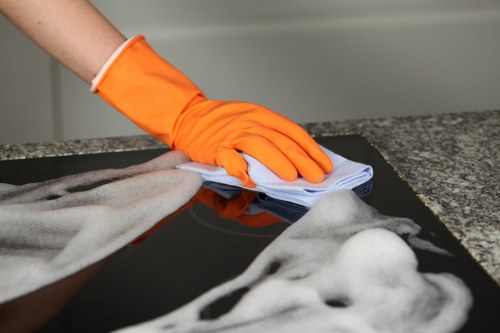
Preparation is a major part of successful carpet cleaning in end of tenancy. When the area is ready, cleaners can work faster, reach more of the surface, and produce better results. Simple preparation can also help you save time and reduce the chance of missing an important spot.
Before the clean, tenants should consider the following steps:
- Remove furniture, boxes, and personal items from the room
- Vacuum loose dirt and debris from all carpeted areas
- Treat fresh stains as early as possible
- Point out problem areas to the cleaner
- Check whether the carpet needs deodorising as well as cleaning
It is also helpful to take photos before and after the service for your records. These images can be useful if there is any discussion about the property condition after move-out. A neat, well-documented process often makes the final inspection feel much smoother.
Common carpet issues in rental properties
Rental carpets face a wide range of challenges over time. Understanding the most common issues can help tenants and landlords decide what kind of care is needed before the tenancy ends.
Some frequent problems include:
- Food and drink stains: Coffee, wine, juice, and sauces can leave noticeable marks.
- Pet-related damage: Hair, dander, accidents, and odours often need specialised treatment.
- Mud and outdoor dirt: Entryways and hallways usually show this most clearly.
- Furniture impressions: Heavy items can flatten carpet fibres.
- General dullness: Over time, carpet can lose brightness from dust and everyday use.
Sometimes a carpet looks clean at first glance but still holds deep-seated dirt that only appears once the fibres are lifted. That is why end of tenancy carpet cleaning is so valuable: it addresses the hidden build-up that regular cleaning cannot remove.
How to remove stains before professional cleaning
While a professional service is often the best solution, quick action before the appointment can help improve results. The key is to avoid rubbing aggressively or using harsh products that may spread the stain or damage the carpet.
Useful stain-response tips
- Blot, don’t scrub: Press a clean cloth onto the spill to absorb as much liquid as possible.
- Use cool water: For many fresh stains, gentle rinsing can help before treatment.
- Avoid over-wetting: Too much moisture can drive the stain deeper into the fibres.
- Check the carpet label: Some fibres react badly to certain chemicals.
- Test products in a hidden spot: This can prevent discoloration.
Important: If a stain is old, set-in, or made by substances like ink, bleach, or oil, a specialist is often the safest option. Professional carpet cleaning in end of tenancy can target these areas using suitable products and extraction methods.
The role of carpet cleaning in deposit protection
Deposit protection is one of the biggest concerns at the end of a tenancy. Since carpets are a major visual feature in many homes, their condition can influence whether a landlord is satisfied with the property return. Clean carpets suggest that the tenant has maintained the home responsibly, which can help reduce disputes.
In many cases, deposit deductions are linked to avoidable dirt, excessive staining, or failure to meet agreed cleaning standards. That is why end of tenancy carpet cleaning is often considered a wise investment rather than an extra expense. A well-cleaned carpet can save time, reduce negotiation, and support a positive handover.
It is also important to distinguish between normal wear and damage. A professional clean can remove routine dirt and restore freshness, but it cannot repair burns, holes, or permanent damage. Knowing the difference helps set realistic expectations and makes it easier to plan the right solution before moving out.
Why landlords and tenants both benefit
Carpet cleaning at the end of a tenancy is not only useful for tenants. Landlords and property managers also benefit from a cleaner, healthier, and more presentable home. When carpets are properly maintained, the property is easier to re-let and often requires less work between occupancies.
Benefits for tenants
- Supports a smoother final inspection
- Reduces the risk of cleaning deductions
- Leaves the property in a better overall condition
- Creates a positive impression at move-out
Benefits for landlords
- Improves the presentation of the home
- Helps attract new tenants more quickly
- Extends the life of the carpet
- Reduces odours and built-up dirt
In short, carpet cleaning in end of tenancy creates a cleaner transition for everyone involved. It supports property standards, improves comfort, and makes the moving process feel more controlled.
How often should carpets be professionally cleaned?
Although the immediate focus here is move-out cleaning, it helps to understand how frequently carpets should be cleaned in general. The answer depends on household size, children, pets, smoking, and traffic levels. In busy homes, a carpet may need deep cleaning more often than in a lightly used flat.
A useful rule of thumb is to schedule deep carpet care when you notice visible soiling, dullness, or odour. For rental properties, booking a professional service before the tenancy ends is usually the most efficient approach, especially if the lease requires it.
For many residents, carpet cleaning in end of tenancy becomes the final step in a larger property refresh. It ties together vacuuming, surface wiping, and rubbish removal to leave the space ready for inspection. If you are short on time, it is often smart to book your service now rather than waiting until the last day.
What to expect from a professional service
When you hire experts for end of tenancy carpet cleaning, the process usually begins with an assessment. The cleaner will look at the carpet type, note stains, identify heavy-use areas, and decide which treatment is most appropriate. This planning stage is essential for getting strong results without harming the fibres.
A typical service may include:
- Initial inspection and fibre assessment
- Vacuuming to remove loose dirt
- Pre-treatment of stains and marked areas
- Deep cleaning using the chosen method
- Extraction of moisture and residues
- Final check and drying advice
Good communication matters. If you highlight trouble spots in advance, the cleaner can spend more time on them. This is especially important for hallway stains, stair edges, and areas around sofas or beds.
Drying time, ventilation, and aftercare
After the cleaning is complete, drying time becomes the next priority. Carpets that stay damp too long can develop unpleasant odours, and they may not look at their best for inspection. Drying time varies depending on the method used, the thickness of the pile, room ventilation, and the weather.
To help the carpet dry faster:
- Open windows where possible
- Use fans to circulate air
- Avoid walking on the carpet until it is mostly dry
- Keep furniture off the carpet until fully dry
Aftercare is simple but important. Once the carpet is dry, a light vacuum can help lift the pile and improve the appearance. This final touch often gives carpet cleaning in end of tenancy the polished finish that makes the room feel move-in ready.
Choosing a service that suits your move-out timeline
Not every tenancy ends with the same level of urgency. Some people have a week to prepare, while others need to vacate within a day. Because of this, timing matters. The best cleaners are those who can work around your schedule and still deliver a high standard of results.
When selecting a provider, consider the following:
- Availability near your move-out date
- Experience with rental property requirements
- Ability to handle stubborn stains and odours
- Suitability for different carpet types
- Use of effective but safe cleaning products
Choosing a team with strong experience in end of tenancy carpet cleaning can make the whole process less stressful. It gives you confidence that the final result will match the expectations set by your lease or landlord.
SEO-friendly reasons people search for carpet cleaning in end of tenancy
Search interest around carpet cleaning in end of tenancy is high because renters and landlords want practical answers fast. People often search with related phrases such as end of tenancy carpet cleaning, move-out carpet cleaning, rental carpet cleaning, and deep carpet cleaning for tenants. These variations reflect the same need: a reliable way to prepare a home for the final handover.
From an online search perspective, content performs better when it matches real user intent. That means clear explanations, useful steps, and straightforward language. Readers want to know what to do, when to do it, and why it matters. A well-written article that includes natural keyword variations can help both search engines and users find the information quickly.
For businesses and property service providers, this topic is also important because it connects cleaning needs with move-out urgency. That is why phrases like book your service now and contact us today can be effective CTAs when used appropriately on service pages or booking sections.
Final thoughts on end of tenancy carpet cleaning
Carpet cleaning in end of tenancy is more than a final chore. It is a practical step that helps protect deposits, improve property presentation, and support a stress-free move. Clean carpets can transform the feel of a room, reduce odours, and leave a stronger impression during inspection.
Whether you are a tenant aiming to hand back a property in excellent condition or a landlord preparing for the next occupant, professional carpet cleaning is a smart choice. It deals with the deep dirt, stubborn stains, and lingering smells that basic cleaning often misses.
If your move-out date is approaching, do not leave the carpets until the last minute. Plan ahead, prepare the rooms properly, and contact us today or book your service now to make sure the property is ready on time. A cleaner carpet can make the entire tenancy ending feel simpler, more professional, and far less stressful.
Carpet cleaning in end of tenancy is one of those tasks that delivers visible value immediately. From better hygiene to a more polished finish, it helps ensure the property is left in a condition everyone can be satisfied with.