Rug Cleaning in End of Tenancy: A Practical Approach to Protecting Your Deposit
Rug cleaning in end of tenancy situations is one of those tasks that can quietly make a big difference to the final outcome of a move. When you are preparing to leave a property, every surface counts, and rugs often collect more dust, stains, odours, and hidden debris than people realise. Whether the rug is a small hallway runner, a large living room statement piece, or a delicate wool floor covering, proper rug cleaning can help the home look fresher, support a better inspection result, and reduce the risk of disputes over cleanliness.
For tenants, landlords, and letting agents alike, rug cleaning in end of tenancy is about more than appearance. It is about hygiene, presentation, and meeting expected standards before the keys are handed back. A well-cleaned rug can improve the overall impression of a property, while a neglected one can draw attention during an inventory check. If you want the space to feel ready for the next occupant, rugs should not be left until the last minute.
In this article, we will look at why rug cleaning matters at the end of tenancy, what methods work best, common mistakes to avoid, and how to approach different rug types with care. You will also find practical tips that make the process easier, faster, and more effective. If you are aiming for a smooth move-out, rug cleaning in end of tenancy should be near the top of your checklist.
Why Rug Cleaning Matters at the End of a Tenancy
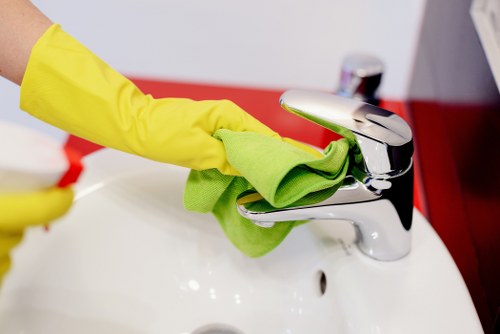
Rugs are often high-use items in a property. They sit in living rooms, bedrooms, dining areas, and hallways, where foot traffic, spills, pet dander, and dust naturally build up. Even when a rug looks clean at first glance, it may still contain allergens and trapped dirt deep within the fibres. That is why rug cleaning in end of tenancy is so important: it helps restore the rug’s appearance and supports a more polished final handover.
In many rental situations, the condition of floors and soft furnishings can influence whether a deposit deduction is raised. While normal wear and tear is usually expected, visible stains, strong odours, and heavy dirt may be considered avoidable damage or poor cleaning. A professional-looking rug can help the whole room feel maintained, which can be especially valuable during a final inspection.
There is also a health and hygiene angle. Rugs can hold allergens, bacteria, and dust mites, particularly if they have not been cleaned regularly. A proper end-of-tenancy rug clean helps create a healthier environment for incoming tenants and can reflect well on the outgoing occupant. In short, this step is both practical and respectful.
Understanding the Difference Between Regular and End of Tenancy Rug Cleaning

Regular rug maintenance usually involves vacuuming, spot cleaning, and occasional refreshes. Rug cleaning in end of tenancy, however, is more thorough and detail-focused. The goal is not just to tidy the surface but to address all visible and hidden signs of use. This often means lifting dirt from deep within the pile, removing lingering odours, and treating stains that may have been ignored for months.
End-of-tenancy cleaning also tends to follow a higher standard because it is done with the property handover in mind. Landlords and agents may compare the rug’s current condition against the inventory report, so the cleaning must be consistent and thorough. A light vacuum is rarely enough if the rug has accumulated marks, spills, or flattening in busy areas.
One of the key differences is the level of attention paid to edges, corners, and under-furniture areas. These spots often trap dust and crumbs, and they are easy to miss during routine cleaning. For rug cleaning in end of tenancy, the aim is to restore a sense of freshness across the entire rug, not just the visible centre.
Preparing Rugs for End of Tenancy Cleaning
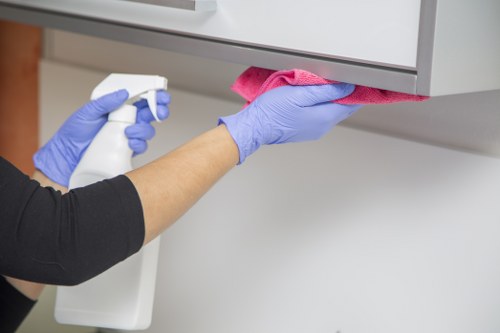
Before you begin rug cleaning in end of tenancy, it is worth preparing the rug properly. Start by checking the material, size, and care label if available. Different fibres respond differently to water, heat, and cleaning solutions. Wool, silk blends, synthetic fibres, and natural woven rugs all need slightly different approaches, and using the wrong product can cause colour bleeding, shrinkage, or texture damage.
Next, inspect the rug carefully for stains, loose threads, damage, or areas of heavy wear. This helps you decide whether a gentle clean is enough or whether you need a deeper treatment. If the rug has sentimental or high value, testing any cleaning solution on a hidden section first is a sensible precaution. This small step can prevent larger problems later.
You should also clear the area around the rug and remove furniture where possible. A rug cannot be properly cleaned if dust and debris from nearby surfaces keep falling back onto it. Preparation is a major part of successful rug cleaning in end of tenancy, and it helps make the whole process more efficient.
Step-by-Step Rug Cleaning Process
The exact method may vary depending on the rug, but a structured process usually gives the best results. The aim is to clean thoroughly without over-wetting the fibres or causing unnecessary stress to the material. A careful routine can make rug cleaning in end of tenancy much more effective.
- Vacuum both sides of the rug, if possible, to remove loose dust and grit.
- Shake or beat out smaller rugs outdoors where appropriate.
- Spot treat stains using a suitable cleaning solution.
- Gently agitate the affected area with a soft brush or cloth.
- Rinse or blot as recommended for the rug type.
- Allow the rug to dry fully in a well-ventilated area.
- Check again for lingering marks or odours once dry.
Vacuuming is the first essential step because it removes dry soil that can otherwise turn into mud when moisture is added. A slow, methodical vacuuming motion is best, especially for thicker rugs. If the rug has a fringe, use a gentler attachment or clean the fringe separately to avoid tangling.
Spot treatment should be done carefully. Use a clean cloth rather than scrubbing aggressively, as harsh rubbing can spread the stain or push it deeper into the fibres. Blotting is often more effective than rubbing. For rug cleaning in end of tenancy, patience is usually more valuable than force.
Drying is another crucial part of the process. A rug that remains damp can develop musty smells or even mould in severe cases. Open windows, use fans if available, and ensure airflow reaches both sides of the rug. Never rush the drying stage if you want a truly clean result.
Common Rug Stains Found at the End of a Tenancy

Different homes produce different kinds of stains, but some are especially common during move-out cleaning. Knowing what you are dealing with helps you choose the right treatment and avoid making the stain worse. Rug cleaning in end of tenancy often involves tackling a combination of everyday marks rather than one single issue.
Food and drink spills are among the most frequent problems. Coffee, tea, wine, juice, curry, and oily foods can all leave noticeable marks if they are not treated quickly. Pet-related stains are another common concern, including urine spots, muddy paw prints, and lingering smells. Even if the surface looks acceptable, odours may remain trapped inside the fibres.
Dust and general grime are less dramatic but still significant. Over time, they dull the rug’s colours and make the pile look tired. In rented homes, this can be enough to affect the final impression during inspection. That is why rug cleaning in end of tenancy should include a full refresh, not just visible stain removal.
Typical stain types to watch for
- Food and beverage stains
- Pet accidents and odours
- Mud and outdoor dirt
- Makeup and cosmetic marks
- Ink or dye transfers
- Grease and oil spots
Each stain type requires a slightly different approach. For example, grease often responds better to absorbent powders and targeted cleaning agents, while organic stains may need enzyme-based products. If you are unsure, it is better to use a mild method first and escalate only if necessary. This keeps rug cleaning in end of tenancy safer for the rug itself.
Choosing the Right Cleaning Method for Different Rug Types

Not every rug can be cleaned the same way. Material and construction make a big difference, and applying the wrong technique can lead to discolouration, fibre distortion, or residual moisture. Rug cleaning in end of tenancy should always begin with identifying the rug type as accurately as possible.
Wool rugs are durable but can shrink or felt if over-wet or aggressively scrubbed. They often respond well to gentle vacuuming, careful spot treatment, and low-moisture cleaning methods. Synthetic rugs are generally more forgiving and may tolerate a broader range of products, though they still benefit from careful handling. Natural fibre rugs such as jute or sisal usually need minimal water because excess moisture can damage the structure.
Delicate rugs, including silk or handwoven pieces, may require specialist attention. In those cases, professional rug cleaning is often the safest route. When the rug is valuable, antique, or especially fragile, risk should be minimised. End-of-tenancy rug cleaning is not only about getting results; it is also about protecting the item from accidental harm.
Helpful material-specific tips
- Wool: use gentle products and avoid soaking.
- Synthetic: clean with mild detergent and moderate moisture.
- Jute and sisal: keep water use very low.
- Silk: avoid strong chemicals and heavy scrubbing.
- Shaggy rugs: lift and separate fibres carefully during vacuuming.
If the rug has a care label, follow it closely. If it does not, treat the rug as delicate until you are certain otherwise. This cautious approach supports better rug cleaning in end of tenancy and reduces the chance of avoidable damage.
When to Hire Professionals for Rug Cleaning in End of Tenancy
There are times when DIY cleaning is enough, and there are times when a professional service is the smarter choice. If the rug has deep staining, persistent odours, visible wear, or delicate fibres, professional cleaning can save time and deliver a better finish. Many tenants choose this option when they want confidence that the rug will meet inspection standards.
Professional rug cleaning services typically have stronger equipment, safer stain treatments, and more experience with different fibres. They can also handle large rugs more efficiently and may be able to refresh the rug without over-wetting it. For rug cleaning in end of tenancy, that level of control can be extremely useful.
Another reason to consider a specialist is time. Moving out is already stressful, and trying to deep-clean a rug while packing, organising transport, and completing paperwork can be overwhelming. A professional service helps simplify the process, especially if the property includes several rugs or a particularly valuable one.
Benefits of a professional service
- Deeper cleaning and stain removal
- Better handling of delicate materials
- Reduced risk of shrinkage or damage
- Faster drying times in many cases
- Improved odour removal
- More consistent results for end-of-tenancy checks
If you want a stress-free move-out, booking a specialist at the right time can make a real difference. Contact us today if you want your rug cleaning in end of tenancy handled with care and precision, or book your service now before your move-out date fills up.
DIY Mistakes That Can Ruin a Rug
While many tenants attempt rug cleaning in end of tenancy themselves, a few common mistakes can cause more harm than good. One of the biggest issues is using too much water. Over-wetting can lead to mould, unpleasant odours, and distortion of the rug’s backing. It may also take far longer to dry than expected, which creates extra hassle during a move.
Another mistake is using harsh household chemicals without checking whether they are suitable. Bleach, strong degreasers, and aggressive stain removers can strip colour or weaken fibres. Even products that work well on hard surfaces may be inappropriate for rugs. A safer cleaner is usually the better choice when the rug is part of a tenancy handover.
Scrubbing too hard is also a problem. It might feel like the fastest way to remove a stain, but it can actually spread the mark and damage the pile. Instead, use measured pressure and work from the outside of the stain inward. For rug cleaning in end of tenancy, controlled cleaning almost always gives better results than forceful cleaning.
How Rug Cleaning Supports the Overall End of Tenancy Clean
Rug cleaning is just one part of the wider move-out process, but it has an outsized impact on the room’s final presentation. A fresh rug can brighten a living area, improve the smell of the property, and make the space feel more cared for. This supports the rest of the end of tenancy clean, from vacuumed carpets to polished surfaces and spotless skirting boards.
Because rugs sit at the centre of many rooms, they can visually anchor the entire space. If the rug is dirty, the room may feel unfinished even if the rest of the property is clean. On the other hand, a freshly cleaned rug can help tie everything together and create a strong final impression. That is why rug cleaning in end of tenancy should be considered a priority rather than an optional extra.
There is also a psychological element. A clean rug can help the outgoing tenant feel that the home has been properly left behind, while giving the new occupant a better start. Cleanliness matters not only for rules and inspections, but also for the way a space feels. That extra sense of care can be surprisingly important at the end of a tenancy.
Practical Tips to Keep Rugs Cleaner During a Tenancy
Good maintenance throughout the tenancy makes the final clean much easier. If you wait until the move-out date to deal with every issue, stains may have settled in and become harder to remove. Regular rug care helps preserve the fibres and reduces the time needed for rug cleaning in end of tenancy.
- Vacuum rugs regularly, especially in high-traffic areas.
- Deal with spills immediately before they set.
- Rotate rugs occasionally to encourage even wear.
- Use rug pads to reduce slippage and friction.
- Keep shoes off in rug-heavy rooms when possible.
- Shake out smaller rugs outdoors every so often.
These habits do not replace a deep clean, but they make a noticeable difference. They also help the rug last longer, which is beneficial for both tenants and landlords. Regular upkeep means that when move-out time arrives, rug cleaning in end of tenancy is more manageable and less likely to reveal major surprises.
Final Thoughts on End of Tenancy Rug Care
Rug cleaning in end of tenancy is one of the smartest steps you can take when preparing to leave a property. It protects the look and hygiene of the home, helps create a better final impression, and can support a smoother handover process. Whether you choose to clean the rug yourself or hire a professional, the key is to act carefully, use the right method, and allow enough time for drying and final checks.
By treating rugs as an important part of the overall clean, you can reduce stress, improve the property’s presentation, and increase the chances of a trouble-free move-out. If your rug has heavy staining, delicate fibres, or persistent odours, do not leave it to chance. Book your service now and make rug cleaning in end of tenancy one less thing to worry about.