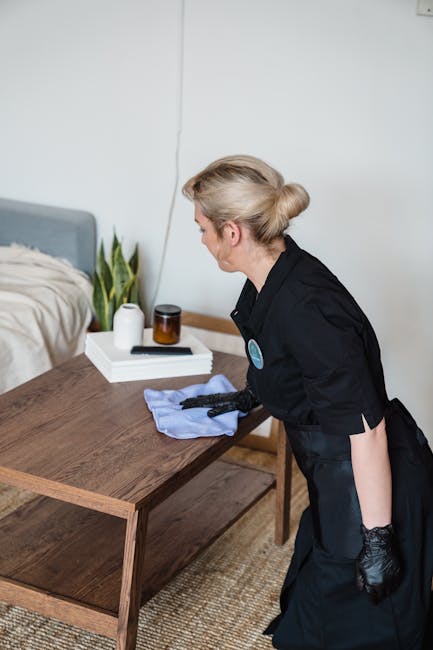
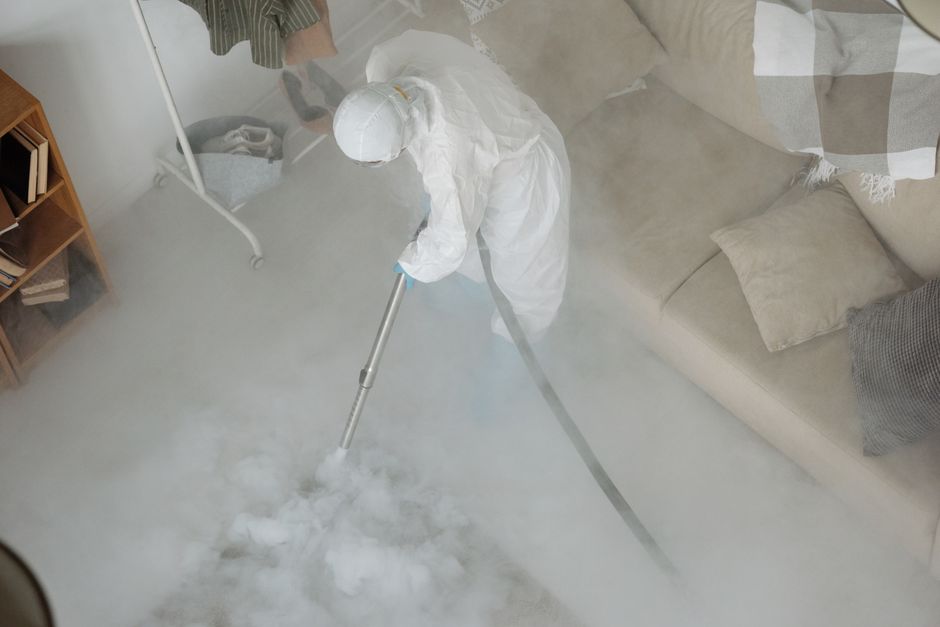
Behind the scenes professional methods used in move out cleans
Move-out cleaning looks simple from the outside: rooms are empty, surfaces are wiped, and the property is handed back. But the real work happens behind the scenes. Behind the scenes professional methods used in move out cleans are what separate a quick tidy-up from a proper end-of-tenancy clean that stands up to landlord, letting agent, or inventory scrutiny. If you have ever wondered why one clean seems to glide through a checkout inspection while another leaves awkward little issues behind, this is the bit that matters.
In practice, a professional move-out clean is a sequence of planning, staging, cleaning chemistry, attention to detail, and final quality control. It is not just "clean everything". It is a method. And once you understand the method, you can judge service quality far more confidently, whether you are booking a team or trying to do it yourself before the keys go back. A bit less guesswork. A lot fewer surprises.
This guide breaks down the process in plain English, with the sort of detail that is usually only visible to people doing the work day in, day out.
Table of Contents
- Why the professional method matters
- How the move-out cleaning process works
- Key benefits and practical advantages
- Who this is for and when it makes sense
- Step-by-step guidance
- Expert tips for better results
- Common mistakes to avoid
- Tools, resources and recommendations
- Law, compliance, standards and best practice
- Options, methods and comparison
- Case study / real-world example
- Practical checklist
- Conclusion
- Frequently asked questions
Why Behind the scenes professional methods used in move out cleans Matters
When a tenancy ends, the property is not being cleaned for comfort. It is being cleaned for inspection. That changes everything. Dust you barely notice in daily life suddenly matters. A faint grease film on a extractor hood, a water mark on a chrome tap, or crumbs sitting in an oven seal can become the difference between an easy handover and a frustrating call-back.
Professional methods matter because they are built around the way properties are actually checked. End-of-tenancy inspections are usually systematic: kitchen, bathrooms, floors, fittings, windows, storage, and hidden touchpoints. Professionals clean in the same way. They think in zones, not just in rooms. They work from clean to dirty, high to low, and dry to wet. Simple idea. Big impact.
There is also a trust element. If a cleaner understands the sequence, the dwell times for products, the right cloth for the right surface, and the final sign-off routine, the result is more consistent. To be fair, that consistency is what people are paying for. Not just elbow grease.
There is a practical side too. A careful method reduces damage, waste, and repeat work. It is easy to scrub too hard on a delicate finish or use the wrong product on a floor. Professionals avoid that by following a disciplined process, which is especially important in furnished homes, shared properties, and places that have seen a lot of foot traffic.
Expert summary: The best move-out cleans are not the fastest ones. They are the ones that combine preparation, targeted treatment, and a structured final inspection so nothing gets missed at the last minute.
How Behind the scenes professional methods used in move out cleans Works
The professional approach usually starts before a cloth is even picked up. Good teams will often do a quick walk-through, either mentally or on paper, to note materials, problem areas, and any damage that cleaning cannot fix. That first scan saves time later. It also helps prevent the classic mistake of polishing the obvious bits while leaving the hidden bits untouched. You know the kind of thing: skirting boards looking great, but inside the oven door still a bit grim. Not ideal.
The work then tends to follow a clean, logical flow:
- Assessment: identify surfaces, stubborn marks, access issues, and special materials.
- Preparation: gather the right tools, protect delicate finishes, open windows if needed, and clear remaining items.
- Top-down cleaning: start with high points like shelves, lights, and tops of cabinets, then move down to worktops, fixtures, and floors.
- Targeted treatment: let the right product dwell on grease, limescale, or baked-on residue before agitation.
- Detail finishing: edges, handles, switches, seals, and corners get an extra pass.
- Final inspection: one last sweep for streaks, missed dust, and touch-up work.
That final inspection is one of the biggest behind-the-scenes differences. A professional cleaner does not just ask, "Is it done?" They ask, "Would this hold up under a checkout lens, natural daylight, and a landlord who knows where the trouble spots usually are?"
Another part of the process is chemical discipline. Different soils need different approaches. Grease needs a degreaser, limescale needs an appropriate descaler, and some marks need patience more than pressure. Using too much product can leave residue. Using too little can waste effort. A skilled cleaner finds the balance, and that is where experience shows.
Some properties also need a mixed-method clean. For instance, a kitchen may require a combination of steam, wipe-down, detailing, and extraction work, while carpets may need a separate treatment through carpet cleaning or spot work through a carpet cleaner. If you are dealing with upholstered furniture or a sofa left behind, fabric-safe methods matter even more, which is why teams often treat upholstery cleaning as its own task rather than a quick add-on.
Key Benefits and Practical Advantages
Professional move-out methods are not just about looking tidy. They are about getting a property into the right condition for handover with the least drama possible. That sounds obvious, but in real life, the benefits show up in small ways.
- Better inspection outcomes: fewer missed spots, fewer complaints, and a smoother checkout process.
- More efficient use of time: a planned sequence avoids re-cleaning the same area twice.
- Safer cleaning: the right products and tools reduce the risk of damage to paint, sealant, flooring, and appliances.
- More consistent results: standard methods help ensure every room reaches the same finish level.
- Better hygiene: hidden grease, dust, and residue are removed from high-contact areas.
- Less stress for tenants and landlords: everyone knows what "clean" means, which helps reduce back-and-forth.
There is also a commercial benefit for landlords and agents. A clean property photographs better for re-letting, smells fresher, and generally presents as better cared for. A clean end of tenancy is not just about the outgoing tenant; it sets the tone for the next occupancy. One small thing, but it matters.
For tenants, a proper method can reduce the chance of avoidable deductions linked to cleaning standards. It will not magically cover damage or wear and tear, of course, but it can help make sure the cleaning part is not the issue.
Who This Is For and When It Makes Sense
This topic matters to a few different people, and not all for the same reason.
- Tenants moving out: especially if a checkout inspection is expected and the property has been lived in for a while.
- Landlords: when a property needs to be turned around quickly and professionally between occupants.
- Letting agents: to understand what a quality clean should reasonably include.
- Shared households: where several people may have different standards and the clean needs to be coordinated.
- Busy movers: anyone juggling removals, inventory sign-off, keys, and the emotional chaos of moving day. Let's face it, moving is rarely calm.
It also makes sense when the property has specific cleaning challenges: heavy kitchen grease, limescale in bathrooms, pet hair, stained carpets, scuffed floors, or stubborn marks around switches and door frames. Those are the places where "quick clean" usually falls short.
If the home is fairly new, lightly used, or cleaned regularly, a simpler approach may be enough. But once there is build-up, or time pressure, or a detailed inspection looming, the professional method becomes the safer choice.
Step-by-Step Guidance
Here is how a solid move-out clean is usually carried out in practice. Not every company will do it in exactly the same order, but the underlying logic is very similar.
1. Start with an inventory-minded walkthrough
Before cleaning, check the property as though you are the person inspecting it. Look for heavy marks, damaged finishes, missing items, and surfaces that need special care. Note the oven, fridge, bathroom sealant, taps, skirting boards, and any areas with visible dust or grease.
2. Clear and stage the space
Remove loose rubbish, empty cupboards if they still contain items, and clear obstacles that make cleaning awkward. If there is a final bag of bits and pieces under the sink or in a wardrobe, it is better to sort that out first. Cleaning around clutter always slows things down. Always.
3. Apply the top-down cleaning rule
Work from high to low so dust and debris fall into areas that have not yet been cleaned. That means starting with tops of cabinets, shelves, curtain rails, and light fittings, then moving to worktops, fronts, and finally floors.
4. Use dwell time properly
Let products sit long enough to break down grease or limescale. This is one of those behind-the-scenes habits that separates experienced cleaners from rushed ones. Wiping too soon often just spreads the dirt around, and nobody wants that unpleasant grey smear effect.
5. Detail the contact points
Light switches, handles, edges of doors, remote controls, cupboard pulls, taps, and sink rims get touched constantly. They also collect more grime than people realise. A proper move-out clean gives them deliberate attention, not just a casual swipe.
6. Treat each room by material, not just by category
Bathrooms need limescale control and sanitising. Kitchens need degreasing and appliance detailing. Bedrooms need dust removal and corner checks. Floors need the right method for the material, which is where specialist services such as hard floor cleaning can matter if the floor needs more than a basic mop.
7. Clean appliances inside and out
Ovens, fridges, and extractor units are common inspection hotspots. Where appropriate, professionals may use specialist oven cleaning or a dedicated oven cleaner approach to remove baked-on carbon, grease, and residue. It is fiddly work. Often messy. Very worth doing properly.
8. Finish with a quality check
The last pass looks for streaks, drips, dust lines, fingerprints, and missed edges. This stage is where a good clean becomes a proper clean. Small issue, big difference. A sunbeam across a window in the late afternoon can reveal everything, even if the rest of the room looks fine.
Expert Tips for Better Results
Here are the practical touches professionals rely on when they want a better finish without making the job harder than it needs to be.
- Use two cloths where possible: one for general wiping, one for finishing or drying. That keeps residue down.
- Work with a small product amount first: more solution is not always better. It can cause streaking, especially on glass and polished surfaces.
- Keep a separate detailing cloth for bathrooms: it helps avoid cross-contamination and keeps the finish sharper.
- Open windows where safe and practical: good airflow helps drying and reduces that damp-clean smell that lingers for too long.
- Check corners and edges with a torch or bright light: useful on shelves, inside cupboards, and around seals.
- Save the floor for last: otherwise you end up tracking dust back across just-cleaned surfaces.
- Take photos before and after if you are managing the clean yourself: not for show, just for a simple record in case anything is queried later.
And a small one that gets overlooked: remove bin liners and inspect the bin itself. The inside often needs a proper wipe. It is not glamorous, but then move-out cleaning rarely is.
Common Mistakes to Avoid
A lot of move-out cleaning problems come from rushing, assuming, or cleaning in the wrong order. The mistakes are usually not dramatic, just costly in small ways.
- Cleaning only visible surfaces: the hidden grime is what often gets noticed in inspections.
- Using one product for everything: different materials need different treatment.
- Ignoring appliance seals and trims: these spots collect a surprising amount of dirt.
- Forgetting high-touch areas: switches, handles, and skirting edges are often missed.
- Leaving windows and mirrors streaky: sunlight will tell on you, and quickly.
- Over-wetting floors: especially risky on wood and laminate, where excess moisture can leave damage or dull patches.
- Not checking the property again after cleaning: the final walkthrough is where issues are caught.
Another common issue is underestimating the time needed. A one-bedroom flat might seem straightforward, then you get to the oven, the bathroom sealant, a dusty extractor fan, and suddenly the clock is against you. Been there, done that. It happens.
Tools, Resources and Recommendations
Professional results depend on having the right kit, but it does not need to be overcomplicated. In fact, simple and well-chosen usually beats a bag full of random bottles.
| Area | Common professional approach | Why it helps |
|---|---|---|
| Kitchen surfaces | Degreaser, microfibre cloths, careful edge detailing | Breaks down grease without leaving smears |
| Bathrooms | Limescale remover, sanitising wipes, dry finishing cloth | Improves shine and removes water marks |
| Ovens | Specialist cleaner, scraping tools, long dwell time | Removes baked-on residue more effectively |
| Floors | Surface-appropriate mop system or specialist treatment | Protects finish and avoids water damage |
| Soft furnishings | Fabric-safe vacuuming or extraction cleaning | Helps lift dust, odours, and trapped debris |
| Windows and glass | Glass cleaner, squeegee, lint-free cloth | Reduces streaking and buff marks |
For larger or more complex jobs, a full deep cleaning approach can make more sense than a basic surface clean. If the property has been occupied for a long time, or if there has been heavy use in the kitchen and bathrooms, deep cleaning techniques help target build-up that daily cleaning never really shifts.
It can also help to think about the property as a whole. If there is leftover furniture, clutter, or unwanted items that are in the way, a coordinated house clearance style approach may be useful before the actual clean begins. Less clutter means fewer missed edges and less time wasted moving things around twice.
Law, Compliance, Standards and Best Practice
End-of-tenancy cleaning sits in a practical space rather than a heavily regulated one, but best practice still matters. In the UK, the main issue is usually not "legal compliance" in the strict sense of a licensed trade. It is more about meeting expected cleaning standards, following sensible health and safety practices, and working in line with tenancy agreements and inventory expectations.
A few points are worth keeping in mind:
- Read the tenancy agreement: some agreements specify cleaning expectations or require properties to be returned in a professionally cleaned condition.
- Use products safely: follow manufacturer instructions, avoid mixing chemicals, and keep ventilation in mind.
- Protect surfaces: delicate materials, untreated wood, and polished finishes need a cautious approach.
- Mind access and safety: if ladders, specialist equipment, or awkward access points are involved, proper safeguards should be in place.
- Keep records if needed: photographs and checklists can help clarify what was cleaned if there is a dispute later.
For service providers, it also helps to have clear policies around safety, insurance, payments, complaints, and sustainability. Those things are not glamorous, but they are part of a trustworthy operation. If you are comparing providers, it is sensible to look at pages such as health and safety policy, insurance and safety, and recycling and sustainability so you know how the business handles the less visible side of the job.
Payment confidence matters too, especially when booking in advance or arranging a tight turnaround. A transparent payment and security process and clear terms and conditions are a good sign that the company is organised rather than improvising on the day.
Options, Methods and Comparison
If you are deciding how to approach a move-out clean, it helps to compare the main methods rather than assuming there is only one right answer.
| Method | Best for | Strengths | Limitations |
|---|---|---|---|
| DIY move-out clean | Small, lightly used properties | Low cost, flexible timing | Easy to miss inspection details; takes longer than expected |
| Professional standard clean | Most tenancies | Structured process, consistent finish, faster turnaround | Costs more than doing it yourself |
| Deep clean with specialist tasks | Properties with build-up or heavy use | Better for grease, limescale, and embedded dirt | Usually more time-intensive |
| Task-based support | When only certain areas need help | Targets problem rooms or items like ovens and carpets | May not satisfy a full checkout clean on its own |
In many real-life cases, the smartest choice is a hybrid. For example, a tenant may handle packing and light tidying, then book help for the difficult parts such as the oven, carpets, or bathroom limescale. That kind of split approach is often more efficient than trying to do everything at once after a long moving day.
Case Study or Real-World Example
A fairly typical scenario: a two-bedroom flat in a Victorian conversion, occupied for just over a year, with a small kitchen, one bathroom, and light carpet in the bedrooms. On paper, nothing too dramatic. In reality, the extractor hood has grease build-up, the shower screen has hard water marks, and the oven door is hiding a line of baked-on residue around the seal.
A professional cleaner would usually start with the kitchen because it needs dwell time. The oven cleaner goes on early. Bathroom products are applied next so limescale can soften while other work continues. Meanwhile, shelves, skirting boards, and cupboard tops are dusted, then all contact points are wiped down. Once the oven has had time to work, it is agitated, removed, and detailed. After that, the floor is vacuumed and cleaned last so nothing gets dragged back across it.
Here is the part many people do not see: the final pass. The cleaner steps back, checks the shower glass in good light, runs a finger along a cupboard edge, opens the oven door again, and looks for tiny drips or streaks. In one recent-style example, that last check revealed fingerprints on the fridge handle and a patch of dust on the top of a door frame. Nothing major. But those little adjustments are exactly what separate a decent job from a checkout-ready one.
Truth be told, that final minute or two can save a lot of awkwardness later.
Practical Checklist
Use this checklist as a simple behind-the-scenes guide before the handover.
- Walk through the property and note problem areas
- Remove clutter, rubbish, and leftover items
- Open windows if appropriate for airflow
- Clean from top to bottom in a sensible sequence
- Treat kitchen grease and bathroom limescale with the right products
- Detail handles, switches, seals, edges, and skirting boards
- Clean inside and outside of appliances
- Vacuum before wet-cleaning floors
- Use surface-appropriate methods for wood, laminate, tile, or stone
- Check windows, mirrors, and glass for streaks
- Look again in bright light for missed dust or smears
- Document anything that is damaged rather than cleaned
- Do a final walk-through before handing over keys
If the property includes carpets, rugs, or upholstered furniture, it is worth deciding whether those should be handled as standalone tasks. Services like rug cleaning, sofa cleaning, and window cleaning can make a noticeable difference to the overall finish, especially in homes where natural light exposes every tiny mark. Annoying, but true.
Conclusion
The real secret behind Behind the scenes professional methods used in move out cleans is not magic, and it is not just "clean harder". It is a disciplined process built around assessment, order, product choice, detail work, and a proper final inspection. That method is what helps a property move from "lived in" to "handover ready".
Once you understand how the process works, it becomes much easier to judge quality, avoid missed spots, and decide whether to do it yourself or bring in help. And honestly, that clarity is useful on a stressful moving day. One less unknown. One more thing handled.
Get a free quote today and see how much you can save.
When the last room is checked and the keys are ready, the best outcome is a clean that quietly does its job in the background. No fuss. No drama. Just a proper finish and a fresh start.
Frequently Asked Questions
What are the main professional methods used in move out cleans?
The main methods are structured assessment, top-down cleaning, targeted treatment for grease and limescale, detailed finishing, and a final inspection. Professionals also use the right product for each surface instead of treating the whole property the same way.
Why do professional end of tenancy cleans look better than DIY cleans?
Mostly because they follow a system. A DIY clean often focuses on visible areas first, while professionals clean in a planned sequence and check the small details that inspections tend to reveal. The difference is subtle at first, then obvious under good light.
Do move out cleans always include oven cleaning?
Not always by default, but ovens are one of the most common problem areas in tenancy handovers. Many professional cleans include this as part of the service or as a separate specialist task because baked-on grease needs time and the right cleaning method.
How long does a professional move-out clean usually take?
It depends on the size of the property, how dirty it is, and whether specialist tasks like carpet or oven cleaning are included. A lightly used flat may be quicker than a heavily lived-in house, but the final inspection step still takes time.
What is the most commonly missed area in a move-out clean?
High-touch details are missed most often: light switches, skirting board edges, cupboard handles, appliance seals, and the tops of doors or cabinets. These areas do not shout for attention, but inspectors often notice them.
Is deep cleaning the same as move-out cleaning?
They overlap, but they are not exactly the same. Move-out cleaning is aimed at handover standards. Deep cleaning is broader and often goes further into build-up removal, hidden grime, and more intensive detailing. Many move-out jobs end up using deep-cleaning methods.
Can move-out cleaning remove all stains?
No, and it should not be expected to. Cleaning can remove dirt, grease, residue, and many surface marks, but some stains, wear, or damage may be permanent. Good cleaners will usually be honest about what can be improved and what cannot.
What should I check before booking a professional move-out clean?
Check what is included, whether specialist areas like ovens or carpets are covered, what the company's policy is on access and re-cleans, and how pricing is structured. It is also sensible to review their safety, insurance, and terms information.
Do professionals use different methods for bathrooms and kitchens?
Yes. Kitchens usually need degreasing and appliance work, while bathrooms need limescale removal, sanitising, and streak-free finishing. A one-size-fits-all method does not work well in either room.
How can I prepare my property before the cleaners arrive?
Remove personal items, empty bins, clear surfaces where possible, and make sure access is easy. If the property is still cluttered, the clean will take longer and important details can be missed. A tidy starting point helps a lot.
Are carpets part of a standard move-out clean?
Sometimes, but not always. Carpets often need separate attention because vacuuming is not the same as extracting embedded dirt or lifting marks. Depending on the condition, a cleaner may recommend dedicated carpet treatment rather than a basic pass.
What makes a move-out clean feel truly professional?
It is usually the small things: the clean smell without chemical overload, the lack of streaks, the crisp edges, the inside of cupboards being checked, and the final walkthrough. It should feel thorough, controlled, and quietly complete.