Hard Floor Cleaning in End of Tenancy: A Practical Approach to Better Rental Results
Why Hard Floor Cleaning in End of Tenancy Matters

Hard floor cleaning in end of tenancy is one of the most important tasks when preparing a rental property for inspection, handover, or new occupants. Floors are among the first surfaces people notice, and they often reveal how well a property has been cared for during a tenancy. Whether the flooring is wood, laminate, vinyl, tile, stone, or polished concrete, a properly cleaned surface can make the entire space look brighter, fresher, and more welcoming.
Landlords, tenants, letting agents, and property managers all benefit from a high standard of hard floor cleaning in end of tenancy. For tenants, it can support a smooth move-out process and reduce the risk of deductions. For property owners, it helps preserve flooring materials and improves the property's presentation for viewings or new move-ins.
Clean floors do more than look good. They also show attention to detail, remove buildup that can damage surfaces, and help the property meet expected cleanliness standards. In many homes and apartments, hard floor areas collect dust, grime, scuffs, spills, pet hair, and residue from everyday use. During end-of-tenancy cleaning, these issues should be addressed carefully and systematically.
Understanding the Role of Hard Floor Cleaning in End of Tenancy
Hard floor cleaning in end of tenancy is different from routine sweeping or quick mopping. A normal cleaning session may remove surface dirt, but a move-out clean usually needs to target stains, dull patches, sticky residue, and marks that have built up over time. This is especially important because hard floors are often located in high-traffic areas such as hallways, kitchens, lounges, and bathrooms.
Each flooring type requires a different approach. For example, wooden floors may need gentle cleaning solutions and minimal water, while tile floors can usually handle more robust scrubbing. Using the wrong method can lead to streaking, swelling, scratches, or discolouration. That is why hard floor cleaning in end of tenancy should always begin with identifying the flooring material.
It is also worth noting that end-of-tenancy expectations are often higher than standard domestic cleaning. The goal is not only to remove visible dirt but also to restore the floor as closely as possible to its original condition. This means paying attention to edges, corners, skirting-board lines, and beneath moveable furniture.
Common Types of Hard Flooring and How They React to Cleaning
Before starting hard floor cleaning in end of tenancy, it helps to understand the characteristics of the surface you are working on. Different materials respond differently to moisture, chemicals, and abrasion. A careful approach can protect the floor while improving its appearance.
Wood and Engineered Wood
Wooden floors can be beautiful, but they are also sensitive. Too much water can cause warping or lifting, while harsh products can strip finishes. For hard floor cleaning in end of tenancy, dry debris should be removed first, followed by a lightly damp mop and a pH-neutral cleaner suitable for wood.
Laminate
Laminate is durable but not waterproof, so excess moisture should be avoided. Light cleaning with a well-wrung mop and gentle detergent is usually best. Scuffs may require a microfiber cloth or a specialist laminate cleaner.
Tile and Grout
Tile flooring is often more forgiving, but grout lines can trap dirt and make the floor look older than it is. End-of-tenancy floor cleaning should include focused attention on grout, especially in kitchens and bathrooms where grease and soap residue can build up.
Vinyl and LVT
Vinyl floors are popular because they are practical and low-maintenance. However, they still collect scuffs and dullness. Non-abrasive products work well, and regular buffing can improve the finish.
Preparing for Hard Floor Cleaning in End of Tenancy
Good preparation makes hard floor cleaning in end of tenancy faster and more effective. Start by removing loose items, vacuuming, and clearing floor space as much as possible. This allows you to reach hidden dust and dirt that would otherwise be left behind. It is also a good time to inspect for damage such as chips, lifting edges, scratches, or stains that may need special treatment.
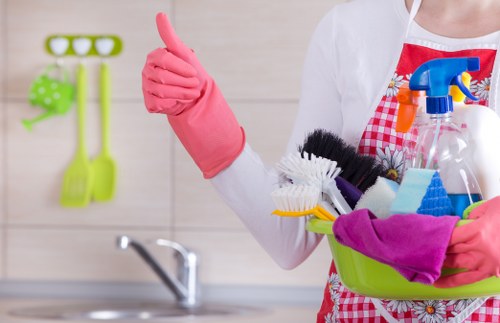
Gather the right tools before you begin. A proper kit for hard floor cleaning in end of tenancy may include:
- Microfiber mops and cloths
- Soft-bristle brushes
- Vacuum cleaner with hard-floor setting
- Bucket and wringer mop
- pH-neutral cleaning solution
- Degreaser for kitchen floors
- Floor-safe polish or restorer where appropriate
Planning the process room by room can also help. Start with the areas that have the most dirt and work toward cleaner spaces to avoid spreading grime. Bathrooms and kitchens often require the most intensive hard floor cleaning in end of tenancy, while bedrooms and living rooms may need more of a finishing touch. Organization saves time and improves results.
Step-by-Step Hard Floor Cleaning in End of Tenancy

A structured method is essential when cleaning hard floors at the end of a tenancy. Rushing the process can leave residues behind or even damage the surface. The following step-by-step method can improve consistency across the property.
1. Remove Dry Debris
Always start by sweeping or vacuuming. This lifts dust, crumbs, hair, and grit that could scratch the floor during mopping. For hard floor cleaning in end of tenancy, this is an important first step because even small particles can create marks if dragged across the surface.
2. Spot-Treat Visible Marks
After dry debris has been removed, inspect the floor for stains, sticky spots, paint droplets, dried spills, and shoe scuffs. Spot treatment is often necessary, especially in rental homes where floors have seen frequent use. Use a product that matches the flooring material and apply it carefully with a cloth or soft sponge.
3. Mop Correctly
Mopping is the heart of hard floor cleaning in end of tenancy, but it must be done correctly. Use a damp, not soaking wet, mop. Change the water regularly so dirt is not spread from one area to another. For larger properties, work in sections to maintain control and avoid walking over freshly cleaned areas.
4. Dry the Floor
Allow floors to dry fully after mopping. This prevents slip hazards and stops watermarks from forming. In properties with poor ventilation, opening windows or using fans can help speed up the process.
5. Finish with Detail Cleaning
Edges, corners, and the spaces around skirting boards often hold the most overlooked dirt. A final wipe-down with a microfiber cloth can complete the job and give the floor a polished appearance.
Dealing with Stains, Scuffs, and Residue
One of the main challenges in hard floor cleaning in end of tenancy is removing stubborn marks without harming the flooring. Stains vary depending on the source, and different treatments may be required for each.
Grease and Kitchen Residue
Kitchen floors often collect grease from cooking, foot traffic, and food spills. A mild degreasing solution can break down buildup, but it should be tested first on a small area. If the residue is heavy, repeated gentle cleaning may be more effective than a single aggressive attempt.
Scuff Marks
Scuffs from shoes, furniture, and appliances are common on most hard floors. A microfiber cloth, melamine sponge, or manufacturer-approved cleaner may help remove them. Always be cautious with abrasive tools, especially on wood or laminate.
Watermarks and Soap Film
Shiny floors can become cloudy when soap residue remains after cleaning. This is a common issue when too much product is used. To fix it, rinse with clean water if the floor type allows it, then dry thoroughly.
Paint and Adhesive Spots
During end-of-tenancy cleaning, it is not unusual to find paint drips, tape residue, or glue marks. These need targeted treatment. A plastic scraper may help with hardened material, but it must be used with care to avoid scratching the finish. Always check the floor type before applying solvents.
Why Professional Hard Floor Cleaning in End of Tenancy Can Be Worth It
Some tenants and landlords prefer to handle end-of-tenancy cleaning themselves, but professional help can save time and deliver a more consistent finish. Professional hard floor cleaning in end of tenancy is especially useful when the flooring has extensive wear, multiple room types, or difficult stains that require specialist products and equipment.
Professionals often bring experience in handling delicate surfaces and know how to avoid common mistakes. They may use machine-assisted methods, steam cleaning where suitable, or restoration products that improve the appearance of worn floors. For properties with lots of traffic, this can make a noticeable difference in presentation.
There is also a practical side to consider. Move-out periods are usually busy, and flooring can be one of many tasks competing for attention. Hiring experts for hard floor cleaning in end of tenancy can reduce stress and allow tenants to focus on packing, transport, and final arrangements. For busy households, convenience matters.
Benefits of Proper Hard Floor Cleaning in End of Tenancy
When hard floor cleaning in end of tenancy is done well, the benefits extend beyond appearance. The flooring may last longer, the room may smell fresher, and the overall property can feel better maintained. These improvements can influence how a property is viewed during final inspection or by incoming occupants.
Key advantages include:
- Better first impressions during inspection or handover
- Reduced risk of cleaning-related deductions
- Longer lifespan for flooring materials
- Improved hygiene in high-traffic areas
- Less buildup of dust, allergens, and residue
- Enhanced property presentation for new tenants
From a property management perspective, hard floor cleaning in end of tenancy helps maintain rental standards across turnovers. Clean, well-kept floors support the value of the home and can reduce the need for costly repairs caused by neglect.
Common Mistakes to Avoid
Even when people are trying to do the right thing, hard floor cleaning in end of tenancy can go wrong if certain mistakes are made. Understanding these issues can help prevent damage and improve the final result.
Using Too Much Water
Excess water is one of the biggest risks, particularly for wood and laminate. It can seep into seams, cause swelling, and leave stains. A damp cleaning method is usually safer.
Choosing the Wrong Cleaner
Not every product suits every floor. Acidic cleaners, bleach, or strong solvents may damage finishes or dull the appearance. Always check the product label and flooring manufacturer recommendations where possible.
Skipping the Dry Clean First
If dust and grit are not removed first, they can scratch the surface during mopping. This can make the floor look worse rather than better.
Ignoring Edges and Corners
Visible dirt around room edges can make the whole floor look unfinished. End-of-tenancy cleaning should be thorough enough to include these details.
Rushing the Drying Process
Walking too soon on wet floors can create footprints, smears, and slip risks. Patience is part of effective hard floor cleaning in end of tenancy.
How Often Should Hard Floor Cleaning Be Done?
Although this article focuses on the move-out period, it is useful to note that regular maintenance makes hard floor cleaning in end of tenancy much easier. Floors that are cleaned frequently generally need less deep treatment when the tenancy ends. This is especially true in homes with children, pets, or high foot traffic.
For most properties, a weekly cleaning routine helps prevent heavy buildup. High-use areas such as kitchens, hallways, and bathrooms may need more frequent attention. Consistent care reduces the chance of stubborn stains becoming permanent and helps protect the floor finish over time.
Tenants who maintain a regular cleaning schedule usually find end-of-tenancy tasks less overwhelming. Landlords also benefit because the property is easier to prepare for the next occupant. Preventive maintenance makes hard floor cleaning in end of tenancy simpler, cheaper, and more effective.
Choosing the Right Finish for Different Floor Types
Some floors can benefit from additional finishing after cleaning. This may include polishing, buffing, or applying a protective product if the material supports it. For example, certain stone floors can look more refined after a suitable treatment, while vinyl may respond well to a safe restorer.
However, not every finish is appropriate for every floor. In hard floor cleaning in end of tenancy, it is important to prioritize the material’s natural condition rather than forcing a shine that does not belong. A clean, even surface is often more valuable than an overly glossy result.
When in doubt, subtlety is best. The aim is to make the floor look cared for, not artificial. A natural finish often photographs better and feels more inviting too.
Hard Floor Cleaning in End of Tenancy for Different Rooms
Different areas of a property present different cleaning challenges. A room-by-room approach can make hard floor cleaning in end of tenancy easier to manage and more effective overall.
Kitchen
The kitchen usually requires the most intensive attention because of grease, crumbs, spills, and foot traffic. Focus on under-appliance spaces, around cabinets, and near the sink and cooking area.
Bathroom
Bathroom floors often need help with soap residue, limescale, and moisture-related grime. Make sure grout, corners, and toilet bases are cleaned carefully.
Hallway
Hallways often show the most wear because they are heavily used. Scuffs, dirt trails, and shoe marks are common here. Good hard floor cleaning in end of tenancy should restore the hallway as much as possible because it is one of the first areas people see.
Living Room and Bedrooms
These rooms may not be as dirty as kitchens or bathrooms, but they still collect dust, furniture marks, and general grime. A clean finish here helps create a fresh overall impression.
Final Thoughts on Hard Floor Cleaning in End of Tenancy
Hard floor cleaning in end of tenancy is more than a finishing touch. It is a key part of presenting a property well, protecting flooring materials, and meeting cleanliness expectations at move-out. With the right preparation, tools, and cleaning methods, hard floors can look significantly better and help the entire property feel ready for its next chapter.
Whether you are a tenant aiming for a smooth handover or a landlord preparing for new occupancy, focusing on hard floor cleaning in end of tenancy can make a meaningful difference. The process does not need to be complicated, but it does need care, consistency, and an understanding of the flooring type.
If you want a cleaner finish, fewer hassles, and a stronger final impression, prioritize hard floor cleaning in end of tenancy as part of the move-out routine. Book your service now or contact us today to make sure your floors are handled with the attention they deserve.