Oven Cleaner in End of Tenancy: How to Leave the Kitchen Spotless and Protect Your Deposit
When it comes to moving out of a rented property, few chores cause as much stress as cleaning the oven. A sparkling kitchen can make a big difference during the final inspection, and the right oven cleaner in end of tenancy situations can help you save time, reduce effort, and improve your chances of getting the full deposit back. Landlords and letting agents often pay close attention to ovens, hobs, grills, trays, and extractor areas because grease buildup is one of the most common signs of poor cleaning.
Whether you are a tenant preparing for checkout, a landlord getting a property ready for the next occupants, or a professional cleaner handling multiple turnovers, knowing how to use an oven cleaner in end of tenancy cleaning is essential. This article explains why oven cleaning matters, how to choose the right product, what safety steps to follow, and when it may be smarter to book professional support.
In many homes, the oven is one of the hardest-working appliances in the kitchen. Over time, burnt-on food, carbon deposits, grease splashes, and smoke residue can build up inside the cavity and on removable parts. Using the proper oven cleaner for end of tenancy tasks can transform a tired appliance into something that looks far closer to new. Just as important, it can help meet inventory standards and avoid disputes during the move-out process.
Why Oven Cleaning Matters at the End of Tenancy
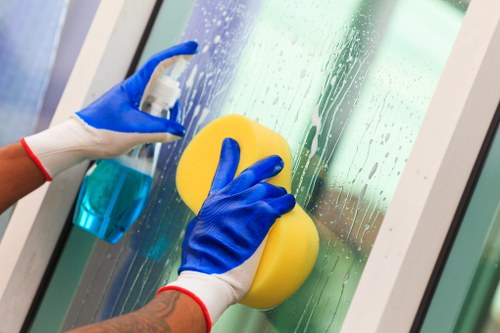
End of tenancy cleaning is not just about appearances. It is about meeting the standards set in the tenancy agreement and returning the property in a condition that is reasonably clean. The oven is often one of the first things inspected because heavy grime can be immediately visible. A neglected oven can signal to an agent that the kitchen has not been cleaned thoroughly.
Using an effective oven cleaner in end of tenancy cleaning can make a real difference in inspection outcomes. Grease on the oven door, burnt residue on the racks, or stains inside the grill can all lead to deductions if the property is left in a messy state. In some cases, landlords may arrange professional cleaning and charge the tenant if the appliance is not up to standard.
Beyond the financial side, there is also a practical benefit. A properly cleaned oven is easier for the next tenant to use, safer to operate, and less likely to smell of stale food or smoke. If you are trying to present a home in the best possible condition, oven cleaning should be a top priority.
What Makes an Oven Cleaner Suitable for End of Tenancy Work?
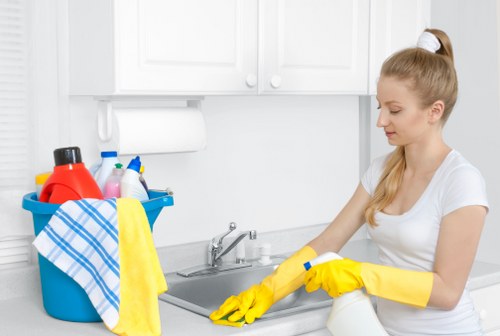
Not every cleaning product is strong enough for end of tenancy conditions. A standard kitchen spray may remove light marks, but it often struggles against hardened grease and baked-on carbon. The best oven cleaner in end of tenancy situations is one that is formulated for deep degreasing and heavy-duty cleaning.
Look for products that can break down stubborn residue without requiring excessive scrubbing. Many oven cleaning solutions are designed to soften burnt-on deposits, making them easier to wipe away after a short waiting period. This is especially useful when cleaning racks, trays, and the oven cavity where grime tends to cling to metal surfaces.
It also helps to choose a cleaner that is appropriate for the oven type. Some appliances have self-cleaning features, special coatings, or delicate finishes that may not suit every chemical cleaner. Reading the label carefully can prevent damage and make the cleaning process much smoother.
Common Types of Oven Cleaner
There are several types of products used for oven maintenance and end of tenancy cleaning. Understanding the difference can help you select the most effective option:
- Foam oven cleaners - Good for clinging to vertical surfaces and breaking down grease.
- Spray cleaners - Convenient for fast application and lighter cleaning jobs.
- Gel cleaners - Often more concentrated and useful for stubborn stains.
- Eco-friendly cleaners - Better for households that prefer low-odor or non-caustic solutions.
- Professional-grade cleaners - Stronger formulas commonly used by cleaning specialists.
The ideal oven cleaner for end of tenancy use depends on how dirty the appliance is. For light buildup, a milder spray may be enough. For ovens that have not been cleaned for months, a stronger foam or gel cleaner may save time and produce better results.
Tip: Always test the product on a small hidden area first if you are unsure about the finish. This is particularly important for older ovens or appliances with special coatings.
Preparing the Oven Before Cleaning

Preparation is one of the most important parts of successful cleaning. Before applying any oven cleaner in end of tenancy work, make sure the oven is switched off, cool, and safe to handle. Removing loose food debris and crumbs first can make the cleaner more effective and reduce mess.
Start by taking out oven racks, trays, and any removable shelves. If the door glass can be cleaned separately, that can also help you access more difficult areas. Wiping away surface dirt with a damp cloth before applying the cleaner is a small step that often delivers better overall results.
It is also wise to protect the surrounding kitchen area. Place towels or newspaper around the oven to catch drips, and keep windows open if the product has a strong smell. Good ventilation is essential when using heavy-duty chemical cleaners, especially in smaller kitchens.
Safety Steps to Follow
Safety should always come first when using a powerful oven cleaner in end of tenancy situations. Follow these steps for a safer cleaning process:
- Wear gloves to protect your hands from chemicals and grime.
- Use eye protection if the cleaner can splash.
- Keep children and pets away from the area.
- Read the instructions on the label before using the product.
- Do not mix oven cleaner with bleach or other household chemicals.
These precautions may seem basic, but they are very important. Strong cleaning products can irritate skin and eyes, and mixing chemicals can create dangerous fumes.
How to Clean Different Parts of the Oven

End of tenancy oven cleaning is not just about the main cavity. A thorough finish means paying attention to every visible and removable part. The more detailed the cleaning, the more likely the oven will pass inspection.
Apply the chosen oven cleaner in end of tenancy cleaning process according to the product directions. In most cases, you will spray or spread the cleaner over the dirty surfaces and let it sit for a specified period. This resting time allows the formula to loosen grease and baked-on dirt.
After the waiting period, use a soft cloth, sponge, or non-scratch pad to wipe away residue. For tougher spots, repeat the process rather than scrubbing aggressively. Scratching the surface can cause permanent damage and may make the appliance look worse.
Cleaning the Oven Racks
Oven racks often collect thick grease and blackened deposits. Soaking them in warm water with a suitable cleaner can make the job easier. Once the grime has softened, wipe or scrub carefully until the metal looks clean again. If needed, use a soft brush to reach corners and grooves.
Cleaning the Oven Door
The oven door is one of the most visible parts, so it should receive close attention. Glass panels often show streaks, cloudy marks, and food splatter. A good oven cleaner for end of tenancy work can help restore clarity, but be careful not to use abrasive tools that may scratch the glass.
Cleaning the Grill Area
The grill compartment can trap stubborn carbon and grease. Because this area is exposed to high heat, residues can become especially difficult to remove. A stronger product may be needed here, but always follow the manufacturer’s instructions and avoid soaking electrical components.
Natural vs Chemical Oven Cleaners

Many people ask whether natural cleaning options are enough for end of tenancy cleaning. The answer depends on the condition of the oven. For light stains and recent use, a natural paste made from baking soda and water can help with everyday grime. Vinegar may also assist with wiping away residue and reducing odors.
However, a oven cleaner in end of tenancy job often involves much more than light maintenance. If the oven has years of buildup, a natural solution may not be strong enough to achieve the standards expected during checkout. In that case, a commercial cleaner or professional service may be the better choice.
Here is a simple comparison:
- Natural cleaners: Safer smell, lower chemical content, better for light dirt.
- Chemical cleaners: Stronger on burnt-on grease, better for heavy end of tenancy work.
- Professional cleaning: Ideal for severe buildup or when time is limited.
If you prefer eco-conscious cleaning, look for modern low-fume products that are still effective against grime. Many brands now offer formulas that balance performance and convenience.
How to Avoid Damage While Cleaning
One of the biggest mistakes tenants make is using harsh tools or the wrong product. A powerful oven cleaner in end of tenancy situations should remove dirt without damaging the appliance. Always avoid metal scouring pads, knives, or razor blades unless the manufacturer specifically allows them. These tools can scratch the oven interior and make future cleaning harder.
Do not apply cleaner to heating elements, electrical fittings, or fan openings unless the instructions say it is safe. Excess liquid can seep into sensitive parts and create malfunction risks. If the oven has self-cleaning settings or special liners, read the user manual first.
It is also a mistake to rush the process. Letting the product sit for the recommended amount of time is often what makes the difference between a mediocre result and a spotless finish. Patience is part of effective oven cleaning at the end of tenancy.
Practical Cleaning Checklist
- Remove racks, trays, and loose debris.
- Apply the cleaner evenly to dirty surfaces.
- Wait for the recommended dwell time.
- Wipe away loosened grease carefully.
- Repeat on stubborn spots if necessary.
- Polish the door glass and exterior panels.
- Reassemble once everything is dry.
When Professional Oven Cleaning Is the Better Choice
Sometimes the best oven cleaner in end of tenancy solution is not a product you buy at all, but a professional cleaning service. If the oven is heavily burnt, hasn’t been cleaned in years, or has damage that makes DIY cleaning difficult, professionals can often achieve a better result in less time.
Professional cleaners usually use specialist degreasers, steam methods, and targeted equipment to reach hidden grime. They also know how to handle different oven models safely. This can be useful if you are working to a tight move-out deadline or need to make sure the appliance meets inventory expectations.
Another advantage is consistency. A trained cleaner can often deliver a more uniform finish, which is especially helpful if you are preparing several rental properties or managing a larger household turnover. If the oven is in bad shape and you want to reduce stress, book your service now and let experts handle the toughest part.
Signs You Should Hire a Specialist
- Grease is heavily burnt onto the interior walls.
- The oven emits smoke when switched on.
- There is a strong odor that regular cleaning does not remove.
- The door glass is stained and cloudy.
- You have limited time before inspection.
- The appliance has delicate or unusual surfaces.
How Oven Cleaning Affects Deposit Returns
Deposit disputes often arise when tenants underestimate cleaning expectations. A spotless oven can help show that the property was cared for responsibly. On the other hand, a dirty oven may lead a landlord or agent to assume that other areas were also neglected. For this reason, oven cleaning is one of the most cost-effective tasks to get right before handing back the keys.
Using the right oven cleaner in end of tenancy work can support a smoother handover. Even if the rest of the kitchen is tidy, a greasy oven can leave a poor impression. In many cases, a clean appliance helps reinforce that the property has been left in good condition overall.
Keep in mind that inventory reports are often highly detailed. If a report notes baked-on food, sticky residue, or dirty racks, deductions may follow. A thorough cleaning effort now can prevent unnecessary arguments later. In practical terms, investing a little time in the oven can protect a much larger sum of money.
Best Practices for a Faster, Better Result
If you want to make the process easier, it helps to work methodically. The most effective oven cleaner in end of tenancy routines are organized, patient, and focused on the dirtiest areas first. Begin with the parts that need the most soaking time while you clean smaller surfaces in between.
Use microfiber cloths where possible because they lift grease well without scratching. Keep a bucket of warm water nearby for rinsing cloths and removing chemical residue. If the cleaner requires multiple applications, allow enough time for each one rather than forcing the job with heavy scrubbing.
For best results, finish by drying all surfaces thoroughly. Leftover moisture can create streaks, attract dust, or leave the oven looking less polished. A dry, clean appliance looks more professional and is easier to inspect.
Quick Time-Saving Tips
- Soak removable parts first.
- Work from top to bottom.
- Use a timer for the cleaner’s dwell period.
- Keep cloths and water ready before you start.
- Repeat treatment on stubborn patches instead of over-scrubbing.
Frequently Asked Questions About Oven Cleaner in End of Tenancy
Can I use any oven cleaner before moving out? Not always. Choose a product that matches the oven type and the level of grime. Some surfaces require gentler formulas, while badly soiled ovens may need stronger solutions.
How clean should the oven be for checkout? The appliance should be free from grease, burnt residue, food debris, and obvious stains. A light amount of wear may be acceptable, but visible dirt usually is not.
Is a natural cleaner enough for end of tenancy? It can be for light use, but heavy buildup usually needs a stronger oven cleaner in end of tenancy cleaning process or professional support.
How long does oven cleaning take? That depends on the level of dirt. A lightly used oven may take less than an hour, while a heavily soiled one can take several hours, especially if soaking is required.
Will professional cleaning guarantee my deposit? No service can guarantee a deposit return, but a well-cleaned oven can greatly improve your chances and reduce avoidable deductions.
Final Thoughts on Choosing the Right Oven Cleaner in End of Tenancy
End of tenancy cleaning can feel overwhelming, but the oven does not have to be a source of panic. With the right oven cleaner in end of tenancy planning, careful preparation, and proper technique, you can restore the appliance to a high standard and help your kitchen look ready for inspection. The key is to choose a product that matches the dirt level, follow safety instructions, and take the time to clean each part properly.
If the oven is only lightly soiled, a quality cleaner and some patience may be enough. If the grime is thick, burnt on, or spread across several surfaces, a stronger solution or professional service may save you time and stress. Either way, the aim is the same: a clean, presentable kitchen that supports a smooth move-out.
For tenants who want a cleaner finish and fewer worries at checkout, investing effort in the oven is one of the smartest steps you can take. Contact us today to discuss your cleaning needs, or book your service now if you want expert help with end of tenancy oven cleaning and the rest of the property.