Health and Safety Policy for End of Tenancy Cleaners
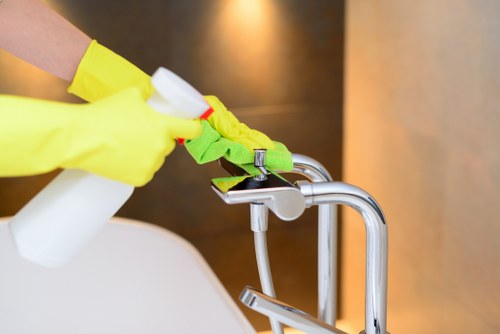 End of tenancy cleaners play an important role in restoring homes to a safe, hygienic condition between occupancies. This health and safety policy sets out the principles that support safe working practices, protect staff and others, and ensure every end of tenancy cleaning task is completed responsibly. Our approach is built on prevention, awareness, and consistent standards.
We recognise that end of tenancy cleaners may encounter a wide range of hazards, including cleaning chemicals, slippery surfaces, sharp objects, dust, mould, and heavy items left behind. Because every property is different, a careful assessment is required before work begins. Safety is never treated as an optional extra; it is part of the job from start to finish.
 We expect all team members to work in a way that reduces risk to themselves, clients, occupants, and any other persons who may be present. This includes using suitable protective equipment, following safe handling procedures, and reporting concerns immediately. A strong safety culture helps maintain high standards in every end of tenancy cleaning service.
Before any end of tenancy cleaning assignment begins, the area should be checked for obvious hazards. Where possible, cleaners must identify issues such as broken glass, exposed wiring, unstable furniture, blocked access routes, or signs of pests and contamination. If conditions present a serious danger, work should be paused until the risk is controlled.
Responsibilities and Safe Working Standards
All staff are responsible for following safe systems of work and using equipment correctly. Supervisors should ensure that cleaning materials are stored securely, tools are maintained in good condition, and work methods are suitable for the task. Every end of tenancy cleaner must take reasonable care of their own safety and that of others affected by their work.
 Personal protective equipment is required where needed. Depending on the task, this may include gloves, masks, eye protection, and non-slip footwear. End of tenancy cleaning often involves exposure to strong substances or debris, so PPE helps reduce the chance of injury or illness. Damaged or unsuitable equipment must not be used.
Chemical Use, Manual Handling, and Equipment Safety
Cleaning products must be used only in line with their instructions and never mixed unless this is clearly permitted. Ventilation should be maintained whenever chemicals are in use, especially in enclosed areas such as bathrooms or kitchens. Safe storage is essential, and containers should remain clearly labelled to prevent accidental misuse during tenancy cleaning activities.
Manual handling is a key concern in end of tenancy cleaning, particularly when moving bins, vacuums, furniture, or bags of waste. Staff should assess the weight, shape, and stability of any item before lifting. When necessary, team lifts or mechanical aids should be used. Good posture, controlled movement, and planning the route in advance all reduce the risk of strain.
Electrical equipment must be inspected before use and treated with care around moisture. Cables should be positioned to avoid trips, and faulty items must be removed from service immediately. End of tenancy cleaners should avoid improvising with unsafe tools or damaged equipment, as this can create unnecessary hazards and undermine overall safety standards.
Training, Reporting, and Emergency Response
Training is essential to the safe delivery of end of tenancy cleaning services. Staff should receive instruction on hazard awareness, chemical handling, manual handling, PPE use, and emergency procedures. Refresher training helps ensure that expectations remain clear and that safe habits are reinforced over time.
Any accident, near miss, unsafe condition, or equipment failure must be reported promptly so corrective action can be taken. Open reporting supports continuous improvement and helps prevent repeat incidents. If a property contains unsafe access, structural damage, or contamination, the team should stop and seek further instruction before continuing. Strong communication is a key part of responsible end of tenancy cleaners practice.
 In an emergency, staff must follow the agreed response process, which may include leaving the area, isolating hazards where safe to do so, and obtaining appropriate assistance. First aid should be sought for injuries, and emergency services contacted where required. Calm, informed action can limit harm and support a safe resolution.
Housekeeping, Welfare, and Policy Review
End of tenancy cleaning should always be carried out with good housekeeping in mind. Work areas must be kept tidy, waste should be removed safely, and walkways should remain clear. Spills should be dealt with quickly to reduce the risk of slips. A clean, organised workspace supports both productivity and safety.
Welfare is also important. Staff should be encouraged to take appropriate breaks, stay hydrated, and work at a sensible pace. Fatigue can increase the likelihood of mistakes, especially during physically demanding tenancy cleaning tasks. Respectful working practices help maintain concentration and reduce avoidable incidents.
 This policy will be reviewed regularly to ensure it remains suitable, effective, and aligned with the changing needs of end of tenancy cleaners. Updates may be made following incidents, operational changes, or general improvements identified through monitoring. By keeping safety central to every stage of work, we aim to deliver reliable results while protecting everyone involved.