Domestic Cleaning in End of Tenancy: A Practical Approach to Stress-Free Moving
Why Domestic Cleaning in End of Tenancy Matters

Domestic cleaning in end of tenancy situations is one of the most important tasks tenants face when moving out of a rental property. Whether you are leaving a flat, apartment, or family house, the condition you leave it in can directly affect the return of your deposit, the final impression you make on the landlord, and how quickly the next tenant can move in. A carefully planned domestic cleaning in end of tenancy process helps ensure that every room is left spotless, fresh, and ready for inspection.
Many renters underestimate how thorough end-of-tenancy cleaning needs to be. It is not the same as routine household tidying. It often requires detailed attention to areas that are usually overlooked, such as skirting boards, oven interiors, limescale around taps, behind appliances, and deep carpet cleaning. Domestic cleaning in end of tenancy is about restoring the property to a condition close to how it was at the start of the tenancy, allowing for fair wear and tear only.
For many people, moving is already stressful. Packing, paperwork, transport, and utility changes can be overwhelming on their own. Adding a full-scale cleaning job to the list can feel exhausting. That is why many tenants choose professional domestic cleaning in end of tenancy services or follow a structured cleaning plan to keep the process manageable and efficient.
What End of Tenancy Cleaning Usually Includes
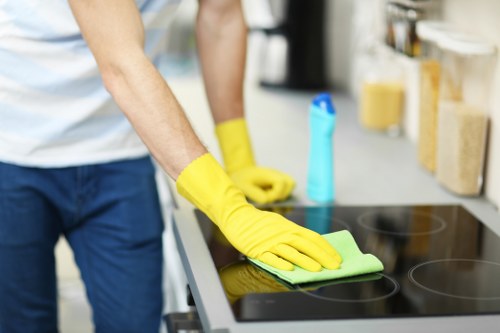
End-of-tenancy cleaning is typically more detailed than standard domestic cleaning. It is designed to meet the expectations of landlords, letting agents, and inventory clerks. A successful clean should leave the property hygienic, presentable, and free from dirt, grime, and lingering odours. When people search for domestic cleaning in end of tenancy, they are often looking for a service or process that covers every visible and hidden corner of the home.
Common tasks include cleaning kitchen appliances, descaling bathroom fixtures, washing internal windows, vacuuming and mopping floors, wiping switches and handles, and removing dust from high and low surfaces. In some cases, additional tasks may involve oven deep cleaning, fridge cleaning, upholstery refreshment, or carpet shampooing. The exact list depends on the tenancy agreement and the current condition of the property.
A well-executed end-of-tenancy clean can also help reduce disputes. If the home appears well-maintained, there is less chance that the landlord will raise issues about cleanliness. This is one of the reasons domestic cleaning in end of tenancy is often treated as a priority rather than an optional extra. A small investment of time or money can prevent larger deductions later.
Planning a Domestic Cleaning in End of Tenancy Checklist
Start Room by Room
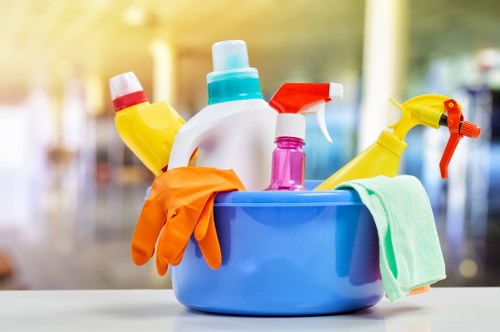
The best way to handle domestic cleaning in end of tenancy is to break the work into smaller sections. Cleaning the entire property at once can feel chaotic, but a room-by-room approach keeps the process focused. It also helps you avoid missing places that need special attention.
Before beginning, gather all your supplies. You will usually need microfiber cloths, a vacuum cleaner, mop, bucket, glass cleaner, bathroom descaler, kitchen degreaser, sponges, rubber gloves, and rubbish bags. If the property has carpets, you may also need a carpet cleaner or a professional service. Having everything ready before you start will make the work smoother and faster.
It is also smart to check the inventory report from the beginning of the tenancy. This document can remind you of the original condition of the property and show what should be cleaned or repaired. Matching the inventory is often a key part of successful domestic cleaning in end of tenancy.
Prioritize High-Impact Areas
Some areas have a bigger visual impact than others. Kitchens and bathrooms often matter most during final inspections because they reveal whether the property has been properly maintained. Focus on these areas early in the cleaning process so you can tackle grease, soap residue, and hard water marks while energy levels are still high.
Kitchen Cleaning for End of Tenancy
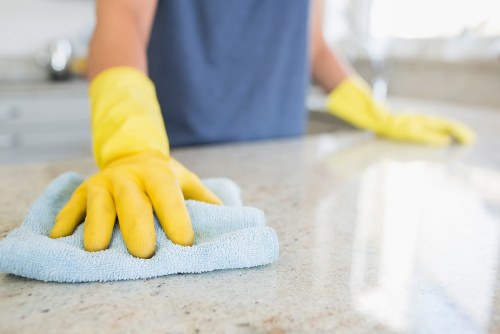
The kitchen is usually the most demanding part of domestic cleaning in end of tenancy. Grease, food residue, appliance stains, and hidden debris can make this room difficult to clean quickly. A deep kitchen clean should begin with clearing everything out of cupboards and drawers. Once empty, vacuum crumbs and wipe all internal surfaces before moving to shelves and handles.
Appliances need special attention. The oven should be degreased inside and out, including trays, racks, and door glass. The hob should be cleaned of burnt-on residue, and extractor fans should be wiped down if accessible. The fridge and freezer must be defrosted, emptied, and cleaned thoroughly, making sure no bad smells remain. Microwaves, dishwashers, and washing machines should also be wiped and inspected for buildup.
Countertops, splashbacks, sinks, taps, and cupboard fronts should be polished until they look fresh. Don’t forget the floor beneath appliances and along edges where dust and crumbs collect. A polished kitchen can strongly influence a final inspection and is often the difference between a satisfactory result and a disputed cleaning fee. This is where domestic cleaning in end of tenancy becomes especially valuable.
Kitchen Cleaning Tips
- Use a degreaser on stubborn cooking residue.
- Soak oven trays before scrubbing.
- Remove limescale from taps and sinks.
- Clean inside cupboards and drawers, not just the outside.
- Check behind and under appliances for hidden dirt.
Bathroom Cleaning That Leaves a Strong Impression
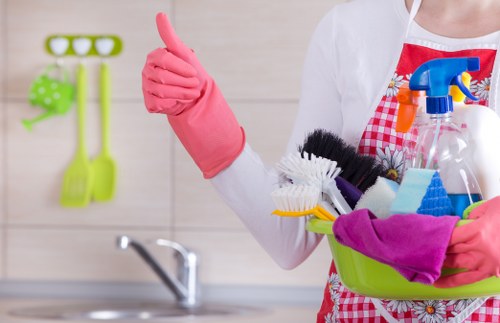
Bathrooms require careful cleaning because dirt and limescale are highly visible. A proper domestic cleaning in end of tenancy routine should include the toilet, sink, shower, bath, tiles, mirrors, vents, and all fittings. Even a small amount of soap scum or mildew can make the room look neglected, so it pays to be thorough.
Start by removing all personal items, toiletries, and bins. Then clean from top to bottom, beginning with dusting vents and light fittings before moving to surfaces and fixtures. Descaling is often necessary around taps, shower heads, tiles, and glass screens. Toilets should be disinfected inside and out, including behind the base and around the seat hinges.
Mirrors and glass should be streak-free, while floors should be mopped and corners checked for grime. If the bathroom has poor ventilation, pay extra attention to moisture marks and mould spots. A clean bathroom sends a strong signal that the property has been cared for, which is why many tenants rely on domestic cleaning in end of tenancy to ensure the room meets expectations.
Bathroom Essentials to Inspect
- Shower screens and glass panels
- Tile grout and sealant
- Drain covers and plugs
- Toilet base and hidden edges
- Soap dishes, shelves, and racks
Living Areas and Bedrooms: The Often Overlooked Spaces
Dusting, Vacuuming, and Surface Cleaning
Living rooms and bedrooms may seem easier than kitchens and bathrooms, but they still need careful attention. A successful domestic cleaning in end of tenancy service should not ignore these rooms simply because they do not contain heavy grease or limescale. Dust, pet hair, marks on walls, and hidden debris can still create problems during an inspection.
Begin with dusting light fixtures, shelves, window sills, skirting boards, and furniture surfaces. Remove cobwebs from corners and clean switches, sockets, and door handles. If furniture is being left behind, wipe it inside and out. Window tracks, curtain rails, and radiator tops are often forgotten, yet they can make a noticeable difference to the overall presentation of the room.
Floors should be vacuumed carefully, especially along edges and under furniture. If the property has carpet, look for stains that may require spot treatment or professional attention. For hard floors, use the right mop solution to avoid streaks and residue. A fresh, tidy living space reflects positively on the entire property and reinforces the value of domestic cleaning in end of tenancy.
Bedrooms Need More Than a Quick Tidy
Bedrooms often collect dust in places that are not immediately visible. Under beds, inside wardrobes, and behind bedside tables are all common hiding spots for dirt. Before handing back the keys, make sure every bedroom is emptied and cleaned thoroughly, including mirrors, windows, and built-in storage.
Windows, Doors, and Finishing Touches
Clean windows can greatly improve the appearance of a rental property. As part of domestic cleaning in end of tenancy, internal windows should be washed, sills wiped down, and frames cleaned. If it is safe and permitted, external windows may also be cleaned, but in many cases this is handled separately. Streak-free glass allows more light into the room and makes the home feel brighter and fresher.
Doors, handles, and frames should not be forgotten. Fingerprints, scuffs, and dust build up easily in these areas. Light switches, bannisters, and banisters in stairways should also be wiped clean. These finishing touches may seem minor, but they help create the polished appearance landlords often expect. In many cases, successful domestic cleaning in end of tenancy is about consistency rather than a few standout tasks.
At the end of the cleaning process, take a final walk through the property. Look at rooms from different angles and check whether any marks, smells, or obvious dust remain. Open cupboards, drawers, and appliances one last time. This final review can catch small issues before they become bigger ones during the inspection.
Why Professional Help Can Save Time and Stress
When to Consider Hiring Experts
Many tenants are able to carry out domestic cleaning in end of tenancy themselves, especially if the property is small and they have enough time. However, professional support can be extremely useful when the home is large, heavily used, or when the move-out deadline is tight. Professional cleaners bring experience, equipment, and a detailed process that can save hours of effort.
Hiring experts is often helpful if you are balancing work, childcare, travel, or multiple moving tasks. A trained team can handle deep cleaning more efficiently and may know what landlords and letting agents usually look for. That means fewer missed areas and a better chance of meeting the expected standard. For many renters, this makes domestic cleaning in end of tenancy feel less overwhelming and more achievable.
Professional services may also be worth considering if there are stubborn stains, built-up grease, limescale, or carpets that need special treatment. In some cases, it is more cost-effective to hire help than to purchase specialist products and spend an entire weekend cleaning. If deposit security is important, a professional approach can be a smart investment.
Benefits of Professional Cleaning Support
- Saves time during a busy move
- Provides specialist tools and products
- Helps reach a higher cleaning standard
- Reduces stress before the final inspection
- Improves the chances of a full deposit return
How to Avoid Common Mistakes
One of the biggest mistakes people make with domestic cleaning in end of tenancy is leaving the job until the very last minute. This often leads to rushed work, missed areas, and a less polished result. Cleaning should ideally begin after most belongings have been packed, not after the moving van has already arrived.
Another common issue is focusing only on visible areas. Landlords and agents may inspect inside appliances, along skirting boards, under sinks, and behind doors. If these spaces are dirty, the property may be judged as incompletely cleaned. A thorough domestic cleaning in end of tenancy routine should always include the spots that are easy to forget.
Some tenants also use the wrong products on delicate surfaces. Harsh chemicals can damage wood, stainless steel, or tiles if used incorrectly. Always read labels and test products where needed. Being careful with materials helps protect the property and ensures your cleaning efforts do not create new problems.
Simple Mistakes to Avoid
- Leaving cleaning until moving day.
- Ignoring hidden or hard-to-reach areas.
- Using the wrong cleaner on the wrong surface.
- Forgetting to empty bins and cupboards.
- Not checking the property after finishing.
Creating a Cleaning Schedule That Works
Good time management can make domestic cleaning in end of tenancy much easier. Instead of trying to do everything in one exhausting session, break the work into stages. For example, you can spend one day on the kitchen and bathrooms, another on bedrooms and living rooms, and a final short session on windows, floors, and touch-ups.
If you are sharing the work with family members or housemates, assign specific rooms or tasks to each person. This can make the process faster and reduce confusion. Clear communication is important so no area is overlooked. With the right plan, domestic cleaning in end of tenancy becomes much more manageable, even in larger homes.
It can also help to use a timer or checklist. Setting realistic blocks of time keeps you focused and prevents the task from dragging on. When the work is divided into clear steps, you are more likely to stay motivated and finish on schedule. That sense of progress is especially useful during a stressful move.
The Role of Cleanliness in Deposit Returns
Deposit deductions are a common concern at the end of a tenancy, and cleanliness is one of the main reasons disputes occur. While fair wear and tear should not be charged to the tenant, excessive dirt, grease, or neglected rooms can lead to deductions. This is why domestic cleaning in end of tenancy is more than just a final chore; it is part of protecting your financial position.
Keeping receipts, photographs, and notes of any cleaning work can also be helpful if questions arise later. If you have arranged professional domestic cleaning in end of tenancy, documentation may support your case that the property was left in good condition. Even if you clean the home yourself, taking before-and-after photos can provide useful evidence.
Ultimately, leaving the property clean is part of responsible renting. It shows respect for the home, the landlord, and the next occupant. It also gives you peace of mind as you move forward. When the final inspection goes smoothly, the entire moving experience feels much more complete.
Final Thoughts on Domestic Cleaning in End of Tenancy
Domestic cleaning in end of tenancy is a task that deserves proper planning, time, and attention to detail. From kitchens and bathrooms to windows, floors, and hidden corners, every part of the property matters. A clean home does not just look better; it can reduce stress, support a smoother handover, and improve the chances of receiving your deposit back in full.
Whether you choose to clean the property yourself or rely on professional help, the key is to be thorough and organized. Use a checklist, start early, and pay attention to the areas that are often missed. If you are preparing to move soon, now is the ideal time to take action and put a clear cleaning plan in place. Book your service now or begin your own cleaning checklist today to stay ahead of the moving rush.
For anyone nearing the end of a tenancy, a smart approach to domestic cleaning in end of tenancy can make all the difference. It is one of the simplest ways to finish your rental period on a positive note. Contact us today if you want to make the process easier, faster, and more effective.