Oven Cleaning in End of Tenancy: A Practical, Professional Approach
Why Oven Cleaning Matters at the End of a Tenancy

Oven cleaning in end of tenancy is one of the most important tasks tenants face before moving out. A clean oven does more than improve the look of the kitchen; it also helps meet the standards expected by landlords, letting agents, and inventory clerks. When the tenancy ends, even small traces of grease, burnt-on food, or lingering odors can lead to disputes, extra charges, or delays in getting a deposit back.
For many renters, the oven is the hardest appliance to clean properly. Grease builds up over months of cooking, racks collect carbon deposits, and glass doors can become cloudy with residue. That is why oven cleaning in end of tenancy has become a major part of move-out cleaning plans. It is not just about appearance. It is about demonstrating that the property has been left in the condition expected by the tenancy agreement.
Landlords often inspect the oven closely because it is a high-use appliance and one of the easiest places for wear and dirt to become visible. If the oven is left in poor condition, a cleaning fee may be deducted from the deposit. In some cases, professional oven cleaning may be the difference between a smooth handover and a stressful dispute.
What Is Included in Oven Cleaning in End of Tenancy?

When people hear the phrase oven cleaning in end of tenancy, they often think only of wiping the inside cavity. In reality, a proper clean usually includes several parts of the appliance. Each element matters, and each one may be checked during inspection.
Typical oven cleaning tasks include:
- Cleaning the interior walls and ceiling of the oven
- Removing grease and burnt residue from the base
- Degreasing the oven door and glass panels
- Cleaning racks, trays, and shelves
- Wiping the exterior surfaces and control knobs
- Cleaning the handle and edges of the door
- Checking the grill compartment, if applicable
- Removing odors caused by food buildup
Some ovens also require attention to fan covers, seals, and hidden corners where dirt can accumulate. A thorough oven cleaning service should leave the appliance looking presentable, smelling fresh, and ready for the next occupant.
Why DIY Oven Cleaning Is Not Always Enough
Many tenants try to handle oven cleaning in end of tenancy themselves to save money. While a do-it-yourself approach can work for light cleaning, it often falls short when the oven has built-up grime. Household sprays and a sponge may remove surface dirt, but they usually struggle with baked-on grease, carbon deposits, and dark stains that have formed over time.
The biggest challenge is that ovens are designed to retain heat, and that heat can effectively “bake in†residue. Once grease hardens onto the interior surfaces, basic scrubbing may not be enough. You may need strong degreasers, soak time, careful dismantling of removable parts, and a lot of patience. Without the right tools, the result may still look patchy or incomplete.
Professional oven cleaners use specialized products and techniques that are safer and more effective for stubborn buildup. They also understand how to clean different oven types, including electric ovens, gas ovens, self-cleaning ovens, and range cookers. This makes a professional solution a smart choice when your deposit is at stake.
How Landlords and Agents Assess Oven Condition

End-of-tenancy inspections often involve checking whether the property has been returned in the same general condition as when the tenancy began, allowing for fair wear and tear. The kitchen receives close attention because it can reveal how well the property has been maintained. In particular, oven cleaning in end of tenancy is often judged against the level of cleanliness recorded in the inventory.
Inspectors typically look for signs such as:
- Visible grease on internal surfaces
- Food debris or spills
- Dirty racks or trays
- Clouded or stained oven glass
- Smudges around handles and knobs
- Burn marks caused by previous cooking
- Bad odors from accumulated residue
If the oven looks neglected, it may be seen as a cleaning issue rather than normal wear and tear. That can result in deductions, especially if the tenancy agreement required the property to be cleaned professionally before checkout. Good presentation matters, and a spotless oven helps create a positive impression during inspection.
Benefits of Professional Oven Cleaning Services
Choosing professional oven cleaning in end of tenancy offers several advantages, especially for busy tenants who are already dealing with packing, removals, and utility changes. Instead of spending hours scrubbing, soaking, and repeating the same process, you can rely on experts who know how to clean the appliance efficiently.
Key benefits include:
- Better results - Professional equipment and solutions can remove grease and stains more effectively.
- Time savings - You can focus on moving while the oven is cleaned properly.
- Reduced stress - A professional finish helps ease concerns about deposit deductions.
- Attention to detail - Cleaners often reach areas that are easy to miss.
- Improved hygiene - Removing burnt residue and food buildup leaves the kitchen fresher.
For many households, the convenience alone makes professional oven cleaning worth considering. It can also be a practical choice if the oven has not been deep cleaned for a long time or if previous attempts have not been successful.
Step-by-Step Process for Oven Cleaning in End of Tenancy

A proper oven cleaning in end of tenancy process usually follows a clear sequence. This ensures that all surfaces are addressed, and that grime is removed in a safe and efficient way. Although the exact method may differ depending on the oven type, the general process is similar.
1. Inspection and Preparation
The cleaner first assesses the condition of the appliance, noting any stubborn stains, removable parts, or areas requiring extra attention. The oven is switched off and allowed to cool completely. Nearby surfaces may be protected to keep the area tidy during the work.
2. Removing Shelves and Trays
Racks, trays, and other removable components are taken out and soaked in a suitable cleaning solution. This helps loosen baked-on grease and makes them easier to scrub clean. In many cases, these items are restored to a bright, usable finish.
3. Degreasing the Interior
The internal cavity is treated with professional-grade degreasers or non-caustic cleaning products, depending on the oven material and condition. Built-up residue is broken down and removed carefully, with extra attention to corners and hidden edges.
4. Cleaning the Door and Glass
The oven door is often one of the most visible parts of the appliance. Fingerprints, streaks, and brown marks on the glass can make the whole oven look dirty. A detailed clean restores clarity and gives the appliance a much fresher appearance.
5. Wiping External Surfaces
The outer frame, handles, control panel, and knobs are cleaned to remove grease and dust. This final touch helps the appliance look complete and well maintained from the outside as well as the inside.
Common Challenges in End of Tenancy Oven Cleaning
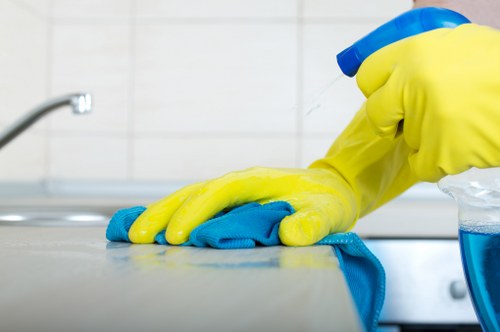
Not every oven is easy to clean. Some have years of residue that has never been properly removed, while others have awkward designs that make access difficult. Oven cleaning in end of tenancy can become especially challenging when there are burnt spills, damaged seals, or self-cleaning functions that no longer work as intended.
Some of the most common problems include:
- Heavy carbon buildup on oven walls
- Grease trapped behind glass doors
- Racks that are discolored or rusted
- Control knobs with sticky residue
- Hard-to-reach fan covers or vents
- Lingering smells from old spills
In these situations, using the wrong products can make the problem worse. Harsh abrasives may scratch surfaces, while overly wet methods can damage electrical components. That is why careful technique is so important. A professional cleaner understands how to balance effectiveness with safety.
How to Prepare Before an Oven Clean
Preparation can make oven cleaning in end of tenancy faster and more effective. If you are booking a service, a few simple steps can help the cleaner get started without delay. If you are doing the task yourself, preparation is even more important because it sets the stage for a thorough result.
Before cleaning, consider the following:
- Turn off the oven and allow it to cool
- Remove all food items and loose accessories
- Check the manual if you are unsure which parts can be removed
- Clear nearby items from countertops and floors
- Make sure there is good access to the appliance
Preparation is not just practical; it also reduces the chance of mistakes. By organizing the area first, you make the cleaning process smoother and safer. This is especially useful in a busy move-out period when time is limited.
Oven Cleaning and Deposit Protection
One of the main reasons people prioritize oven cleaning in end of tenancy is deposit protection. The security deposit is often tied to how well the property is returned. If the oven is left dirty, the landlord may arrange cleaning and deduct the cost from the deposit. In some tenancies, this can be a substantial amount.
To avoid disputes, tenants should review the tenancy agreement carefully and check any cleaning clauses. Some agreements state that appliances must be cleaned to a professional standard. Even if professional cleaning is not mandatory, the oven should still be left in a condition that matches the property’s original cleanliness as closely as possible.
A well-cleaned oven strengthens your overall move-out presentation. It signals responsibility and care, which can be helpful when the final inspection takes place. When the kitchen looks orderly and hygienic, there is less room for disagreement.
Eco-Friendly Options for Oven Cleaning
Many tenants now prefer eco-friendly methods for oven cleaning in end of tenancy. This is a sensible choice for households that want to reduce harsh chemical use while still achieving a clean result. Green cleaning products can be effective when used correctly, particularly for lighter dirt and routine maintenance.
Common eco-friendly approaches include:
- Baking soda paste for softening grime
- Vinegar solutions for lifting light residue
- Steam-assisted cleaning for loosening dirt
- Microfiber cloths for polishing surfaces
- Non-toxic degreasers for general cleaning
That said, eco-friendly does not always mean low-effort. Some methods require longer soaking times and repeated passes. For heavily soiled ovens, a professional may use a mix of environmentally conscious products and specialist techniques to achieve a strong finish without unnecessary harshness.
When to Book an Oven Cleaning Service
Timing matters when arranging oven cleaning in end of tenancy. Booking too early can be inconvenient if you continue cooking afterward. Booking too late can make the move-out process stressful. The best time is usually close to the final handover, after most meals have been prepared elsewhere and after other kitchen cleaning tasks are complete.
Many tenants schedule oven cleaning shortly before the final inspection, often after the rest of the property has been packed and cleared. This allows the appliance to stay clean and ready for the inventory check. If your move-out date is fixed, it is wise to reserve your slot in advance, especially during busy moving seasons.
Last-minute cleaning often leads to rushed results. A planned appointment gives you time to confirm the tenancy terms, coordinate with removals, and ensure the oven receives the attention it needs. If the service is professional, it may also be backed by a cleaning standard or re-clean policy, depending on the provider.
Tips for Maintaining a Clean Oven During Your Tenancy
Although this article focuses on oven cleaning in end of tenancy, it helps to keep the appliance in reasonable condition throughout the tenancy. Regular maintenance makes the final clean much easier and can reduce the likelihood of stubborn buildup.
Helpful habits include:
- Wiping spills soon after the oven cools
- Using oven liners where permitted
- Cleaning racks periodically
- Avoiding overfilling dishes that may bubble over
- Checking the oven door seal for trapped debris
- Running a light clean on the exterior weekly
Small efforts over time can prevent major deep-cleaning problems later. This is especially useful for families, shared households, and people who cook often. A cleaner oven is easier to manage, more hygienic, and less likely to cause issues when moving out.
How Oven Cleaning Fits into a Full End of Tenancy Clean
Oven cleaning in end of tenancy is usually part of a larger cleaning checklist that covers the entire property. Kitchens, bathrooms, floors, skirting boards, windows, and living spaces all need attention. However, the oven is often singled out because it requires specialist treatment and takes more effort than routine surface cleaning.
A full move-out clean generally includes:
- Vacuuming and mopping floors
- Dusting shelves and ledges
- Cleaning countertops and splashbacks
- Removing limescale from sinks and taps
- Sanitizing bathroom fixtures
- Wiping doors, handles, and light switches
- Ensuring the kitchen appliances are spotless
When all these tasks are handled together, the property looks properly cared for. That can make the final walkthrough simpler and more efficient. A sparkling oven is often the finishing touch that ties the whole clean together.
Choosing the Right Oven Cleaning Option
There are different ways to approach oven cleaning in end of tenancy, depending on budget, time, and the oven’s condition. Some tenants prefer to do the job themselves, while others hire a specialist for peace of mind. The right choice often depends on how much work is involved.
Consider DIY if:
- The oven is only lightly soiled
- You have time to scrub thoroughly
- You already own suitable cleaning products
- You are confident about handling removable parts
Consider professional cleaning if:
- The oven has heavy grease buildup
- You are short on time before moving
- You want a better finish for inspection
- You need help with a range cooker or difficult appliance
Both approaches can work. The key is to match the method to the condition of the oven and the expectations of the tenancy agreement. If the result must look impeccable, professional assistance is often the most reliable option.
Why Oven Cleaning Can Improve the Overall Move-Out Experience
Moving house is demanding, and it is easy to underestimate how much stress comes from small jobs that pile up. By sorting out oven cleaning in end of tenancy early, tenants often find the entire process feels more manageable. The kitchen is one of the last rooms to be judged, so a clean oven can create a strong final impression.
There is also a psychological benefit. A freshly cleaned appliance makes the property feel finished and ready for handover. Instead of worrying about hidden grime or unpleasant smells, you can focus on the rest of the move. That sense of closure is valuable, especially after weeks of packing and organizing.
For a smoother move-out, treat the oven as a priority rather than an afterthought. A clean appliance supports good inspection results, helps protect the deposit, and shows that the property has been left respectfully.
Final Thoughts on Oven Cleaning in End of Tenancy
Oven cleaning in end of tenancy is more than a simple chore. It is an important part of returning a rental property in the condition expected by landlords and letting agents. Whether you choose to clean the oven yourself or arrange a professional service, the goal is the same: a spotless, hygienic appliance that supports a successful move-out.
Because ovens attract grease, burnt food, and odor over time, they need more than a quick wipe. They require careful attention, the right cleaning products, and patience. When done properly, oven cleaning can help avoid disputes, improve the overall appearance of the kitchen, and give you confidence during the final inspection.
For tenants who want a stress-free move, the smartest option is often to plan ahead and make oven care part of the wider end-of-tenancy clean. Book your service now if you want expert help, or contact us today to arrange a professional finish that meets move-out expectations.