Deep Cleaning in End of Tenancy: What It Includes, Why It Matters, and How to Do It Right
Why Deep Cleaning in End of Tenancy Matters

Deep cleaning in end of tenancy is one of the most important steps tenants can take before moving out of a rented property. It is not just about making a place look tidy. It is about restoring the home to a condition that meets the expectations set out in the rental agreement and helps avoid unnecessary deductions from the security deposit.
When a tenancy ends, landlords and letting agents usually compare the property against the move-in inventory. That means marks, grime, grease, dust, and overlooked corners can all become issues. A standard tidy-up is often not enough. Deep cleaning in end of tenancy focuses on the hidden and high-use areas that need extra attention, from behind appliances to bathroom grout and skirting boards.
For many renters, this stage can feel stressful because there is already a lot happening: packing, moving, coordinating logistics, and changing addresses. Still, investing time in end of tenancy deep cleaning can save both money and hassle. It can improve the chances of receiving the full deposit back and leave the property in excellent condition for the next occupant.
What Makes End of Tenancy Deep Cleaning Different?
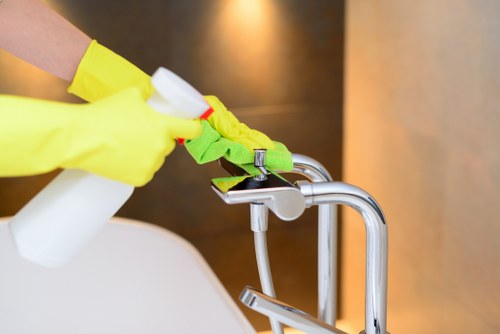
The phrase deep cleaning in end of tenancy refers to a thorough top-to-bottom clean that goes far beyond routine housekeeping. A regular weekly clean may keep a home presentable, but end-of-lease cleaning targets buildup, stains, and areas that are often skipped during normal maintenance.
Typical differences include cleaning inside cupboards, washing walls where appropriate, degreasing kitchen appliances, removing limescale from taps and shower screens, and paying attention to details like light switches, door handles, and radiator panels. In other words, the property is not simply made to look neat; it is cleaned to a much higher standard.
Deep cleaning in end of tenancy also tends to be more systematic. Instead of cleaning room by room in a casual way, the process usually follows a checklist so nothing is missed. This approach is especially useful because tenancy agreements often specify that the home must be returned in a clean and sanitary condition. Missing a single overlooked area can sometimes lead to deductions, so structure matters.
Areas That Need the Most Attention

Different homes have different priorities, but there are several areas that almost always require extra work during end of tenancy deep cleaning. These are the spaces where dirt builds up quietly over time, even when the property looks fine at first glance.
Some of the most commonly neglected spots include kitchens, bathrooms, skirting boards, window tracks, and behind large furniture or appliances. Kitchens often need heavy degreasing, while bathrooms usually require descaling and disinfection. Carpets, upholstery, and hard floors may also need special treatment depending on the type of property and what the landlord expects.
When people search for end of tenancy cleaning or move-out cleaning, they are often trying to understand whether a surface-level clean is enough. In most cases, it is not. Deep cleaning in end of tenancy means giving attention to details that affect the overall presentation and hygiene of the home.
Kitchen Deep Cleaning: The Hardest Working Room
Ovens, Hob Tops, and Extractor Fans
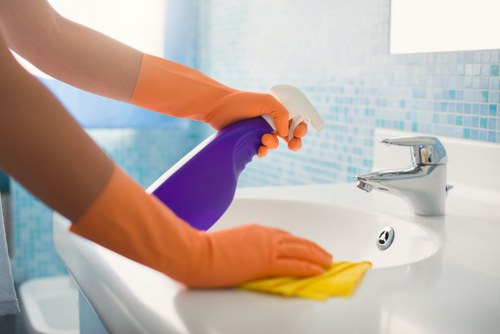
The kitchen usually takes the most time because it collects grease, food residue, and stubborn stains. A major part of deep cleaning in end of tenancy involves tackling appliances from the inside out. The oven is often the biggest challenge. Burnt-on grease, spilled sauces, and carbon buildup can accumulate over months of use, especially if the oven is used frequently.
Extractor fans and range hoods also need proper cleaning. These areas trap grease and dust, and if they are ignored, they can make the kitchen look neglected even after the counters and floors are spotless. Hob tops, knobs, splashbacks, and control panels should be cleaned carefully, using products suitable for the material.
Do not forget the hidden details. The inside and outside of cupboards, cabinet handles, sink drains, refrigerator shelves, and dishwasher filters all matter. Deep cleaning in end of tenancy in the kitchen is about removing signs of long-term use so the room feels fresh, sanitary, and ready for inspection.
Kitchen Cleaning Checklist
- Degrease the oven, hob, and extractor hood
- Clean inside and outside all cabinets
- Wipe appliances, including the fridge and microwave
- Descale the sink and taps
- Scrub splashbacks and wall tiles
- Empty and disinfect bins
Bathroom Deep Cleaning: Hygiene and Limescale Control
Showers, Toilets, and Taps

The bathroom is another area where deep cleaning in end of tenancy is especially important. Because bathrooms are exposed to moisture every day, they are prone to soap scum, mildew, limescale, and general buildup. A room may look clean from a distance, yet still fail an inspection because of residue around fittings or behind fixtures.
To achieve a proper end of tenancy clean, attention must be given to the toilet base, seat hinges, cistern, sink traps, shower head, glass screens, and tiles. Limescale on taps and shower surfaces can be one of the most visible signs of poor maintenance, so descaling products are often essential. Mirrors and chrome finishes should be polished, and ventilation grilles should be dust-free.
Bathroom deep cleaning should also address mould-prone areas. Grout lines, sealant edges, and corners around tubs or shower enclosures should be inspected carefully. In many cases, a move-out cleaning service or self-clean routine will need to include multiple passes to achieve the right result. Deep cleaning in end of tenancy is not simply about appearance; it is about hygiene and removing the evidence of daily use.
Bathroom Priority Tasks
- Remove limescale from taps, shower heads, and glass
- Scrub toilet surfaces, including hidden areas
- Clean grout, sealant, and tile edges
- Polish mirrors and chrome
- Disinfect sinks, tubs, and shower trays
- Wipe vents, switches, and door handles
Living Areas, Bedrooms, and Hallways
Dusting, Floors, and Detail Work
Although kitchens and bathrooms are usually the most intensive, living spaces still need thorough attention. In deep cleaning in end of tenancy, the goal is to eliminate the dust and marks that build up on surfaces people do not notice during everyday living. Skirting boards, picture rails, window sills, light fittings, and curtain poles all collect dust over time.
Bedrooms often need wardrobe interiors, under-bed spaces, and shelves cleaned as well. Hallways and living rooms may require vacuuming behind furniture, wiping doors, cleaning handles, and checking corners for cobwebs. If the property has hard floors, they should be swept and mopped carefully, especially around edges where dust tends to collect.
Deep cleaning in end of tenancy should also include cleaning switches, sockets, vents, and any built-in storage. These are small details, but they strongly influence how fresh the home feels during inspection. Even if the floor is spotless, dusty trims or fingerprints on doors can make the property seem less well cared for.
Room-by-Room Cleaning Targets
- Dust all horizontal surfaces, including shelves and sills
- Vacuum corners, edges, and under furniture
- Clean doors, handles, switches, and sockets
- Wipe skirting boards and trim
- Remove cobwebs from ceilings and corners
- Refresh floors according to the surface type
Windows, Frames, and Glass Surfaces
Glass areas are often underestimated, but they can change the entire look of a property. During deep cleaning in end of tenancy, windows, mirrors, and glass doors should be cleaned until they are free of streaks, dust, and fingerprints. Clean glass gives the impression that the whole property has been cared for properly.
Window tracks and frames are just as important as the glass itself. Dirt collects in grooves, around seals, and in sliding mechanisms. If these areas are ignored, the property may still appear unfinished even after the main cleaning is done. This is especially true in homes with large windows, patio doors, or conservatory areas.
If the tenancy agreement includes exterior window cleaning, that should be handled too, where safe and practical. However, the main priority for most tenants is to ensure the internal glass, frames, and ledges are spotless. End of tenancy cleaning is about total presentation, and polished windows help support that final impression.
Floors, Carpets, and Upholstery
Matching the Cleaning Method to the Surface
Floors are among the first things people notice when walking through a property. That makes them a major part of deep cleaning in end of tenancy. Different flooring types require different care, and using the wrong method can damage the surface or leave it looking dull. That is why it helps to understand whether the property has carpet, laminate, vinyl, tile, hardwood, or a mix of surfaces.
Carpets often need vacuuming in multiple directions and, in some cases, shampooing or steam cleaning if the tenancy agreement requires it. Stains should be treated as early as possible, though some marks may already be set and harder to remove. Hard floors need sweeping, edging, and mopping with suitable cleaning products. Any sticky residue, scuffs, or corner buildup should be addressed before the final inspection.
Upholstered items, such as built-in sofas or fabric dining chairs left in the property, should also be checked for dust and stains. In larger furnished homes, deep cleaning in end of tenancy can require extra time because soft furnishings trap allergens, odours, and pet hair. The cleaner and fresher these elements are, the more move-in ready the home will feel.
How Landlords and Agents Assess Cleanliness
What Usually Matters Most
Understanding what landlords and letting agents inspect can make deep cleaning in end of tenancy much easier. Their focus is usually on condition, hygiene, and whether the property has been returned close to the standard recorded at the start of the tenancy. While reasonable wear and tear is expected, dirt, stains, grease, and neglected areas are not usually accepted.
They often look at whether the kitchen and bathroom have been cleaned thoroughly, whether the floors and surfaces are free of visible dust, and whether appliances have been left in usable condition. If the property was professionally cleaned before move-in, a similar level of cleanliness may be expected at move-out. In some cases, the inventory report is very detailed, making it easier to spot any missing tasks.
For this reason, deep cleaning in end of tenancy should be approached as an inspection-focused process. It is not enough for a room to appear tidy. The goal is to remove grime from places that are likely to be checked closely, including inside cupboards, around fixtures, and along edges where dirt builds up quietly.
Common Inspection Hotspots
- Oven interior and hob area
- Bathroom limescale and grout
- Dust on skirting boards and vents
- Marks on walls, switches, and doors
- Window frames and tracks
- Carpet stains and floor edges
Should You Do It Yourself or Hire Professionals?
One of the biggest decisions tenants face is whether to carry out deep cleaning in end of tenancy themselves or hire a professional team. Both options can work well, but the right choice depends on time, budget, property size, and how much cleaning the home actually needs.
DIY cleaning can be cost-effective, especially for smaller properties or tenants who have kept the home in good condition throughout the tenancy. However, it can also become time-consuming and physically demanding. End of lease cleaning often takes longer than expected, particularly when appliances, bathrooms, and window details need proper treatment.
Professional cleaners can be a practical choice when the deadline is tight, the property is large, or the standard required is very high. Many professional services focus specifically on end of tenancy cleaning, which means they know what landlords typically expect. This can reduce stress and improve the chance of passing the final inspection. Book your service now if you want to save time and ensure the property is cleaned to a high standard.
How to Build an Effective End of Tenancy Cleaning Plan
Step-by-Step Approach
A structured plan makes deep cleaning in end of tenancy much more manageable. Instead of trying to clean everything at once, it helps to divide the work into stages and rooms. This reduces fatigue and makes it easier to track progress. Start with decluttering and removing all personal belongings before any serious cleaning begins.
Next, work from top to bottom. Dust ceilings, vents, and high shelves first, then move down to surfaces, fixtures, and finally floors. This prevents dust from falling onto areas that have already been cleaned. In the kitchen and bathroom, use stronger products where needed, but always test them on delicate finishes first. Good ventilation is also important when using chemical cleaners.
For many households, a checklist is the difference between a rushed cleanup and a proper deep cleaning in end of tenancy. It ensures every room gets the attention it needs and nothing is forgotten in the final rush before move-out day. If the property has special items such as a fireplace, conservatory, or garage, include them in the plan too.
Simple Cleaning Order
- Remove clutter and pack belongings
- Clean high surfaces and fixtures
- Handle kitchen and bathroom deep cleaning
- Dust and wipe living areas and bedrooms
- Vacuum or mop floors
- Do a final inspection with the tenancy checklist
SEO-Friendly Tips for Tenants Searching for Cleaning Help
People often search for terms such as deep cleaning in end of tenancy, end of lease cleaning, move-out cleaning service, or rental property cleaning when they need fast and reliable support. These searches usually come from urgent situations, so clarity matters. A property that looks bright, smells fresh, and feels well maintained is easier to inspect and hand back.
If you are preparing to move out, focus on high-intent tasks first: oven cleaning, bathroom descaling, carpet care, and detailed dusting. These are the areas that have the biggest visual impact. Then finish with polishing glass, cleaning skirting boards, and checking overlooked corners. The best deep cleaning in end of tenancy plan is both thorough and realistic.
Remember this simple rule: if a room can still show signs of daily life, it probably needs more attention. That is why move-out cleaning is often more intense than routine housekeeping. A strong final clean supports a smoother handover, fewer disputes, and a better overall moving experience.
Final Thoughts on Deep Cleaning in End of Tenancy
Deep cleaning in end of tenancy is about more than ticking boxes. It is about protecting your deposit, meeting tenancy expectations, and leaving the property in a condition that reflects care and responsibility. Whether you clean the home yourself or choose professional help, the key is to be detailed, systematic, and realistic about the time required.
By focusing on kitchens, bathrooms, floors, windows, and hidden surfaces, you can transform the property from lived-in to inspection-ready. A well-executed end of tenancy deep clean can reduce stress during the move and make the final walkthrough far smoother. For tenants who want efficiency and peace of mind, contact us today and take the next step toward a spotless handover.
When done properly, deep cleaning in end of tenancy delivers results you can see immediately: fresher rooms, cleaner surfaces, and a home that feels ready for the next chapter. If your move-out date is approaching, start early, stay organized, and make cleanliness a priority from room to room.