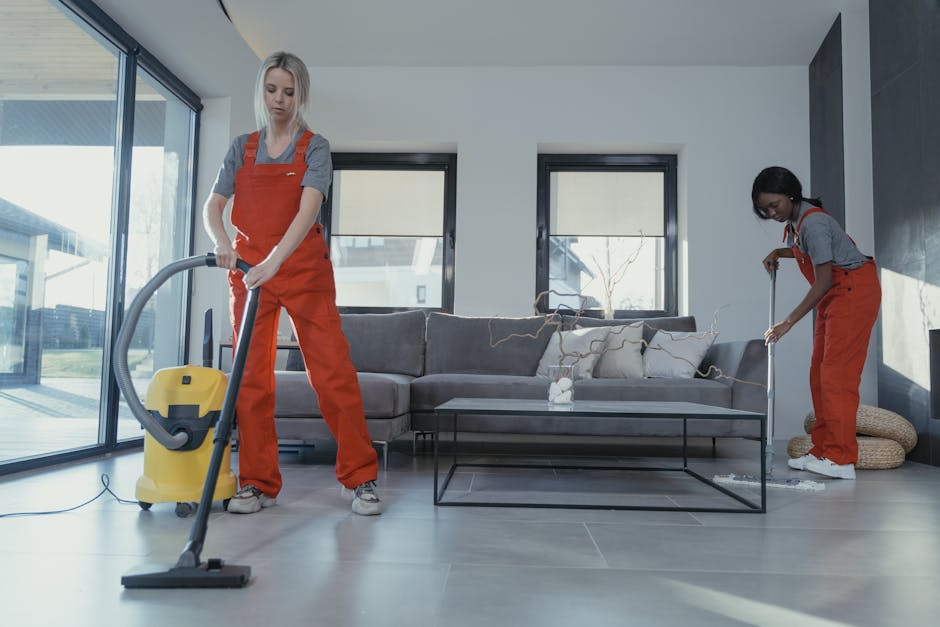
Certified Cleaner Benefits for UK Homes: What to Know
If you've ever looked at a home and thought, "it's clean enough, but not really clean," you're already close to the point of this topic. The real Certified cleaner benefits for UK homes what to know conversation is not just about sparkling taps or a tidy hallway. It's about trust, consistency, safer cleaning methods, and knowing the job is being done by someone who understands standards, products, and home care properly.
That matters in UK homes more than people sometimes admit. A rushed clean can miss high-touch areas, damage delicate surfaces, or leave behind hidden grime in kitchens, bathrooms, carpets, and upholstery. A certified cleaner usually brings a more structured approach, better technique, and clearer accountability. In this guide, you'll learn what certification really means, where the benefits are most noticeable, what to check before booking, and when it genuinely pays off.
To be fair, not every home needs the same level of service every week. But if you want peace of mind, a healthier-feeling home, and fewer nasty surprises, it helps to know what separates a standard tidy-up from professional, certified cleaning.
Why Certified cleaner benefits for UK homes what to know Matters
In a UK home, cleaning is rarely just about appearance. There are practical realities all around you: muddy shoes coming in from the rain, condensation around windows in colder months, compact kitchens, shared bathrooms, pets, children, and the general pace of daily life. Dirt accumulates in layers. So does grease, dust, pollen, and the sort of invisible residue you only really notice when light hits a surface at the right angle.
That's where certified cleaning has real value. Certification usually signals that a cleaner has been trained in safer methods, product handling, hygiene practices, and often task-specific techniques such as carpet care or deep cleaning. It does not magically make every provider perfect, of course. But it does raise the baseline.
For homeowners, tenants, landlords, and busy families, the benefit is confidence. You are not guessing whether someone knows how to clean a stone floor without leaving streaks, or whether they understand how to treat upholstery without over-wetting the fabric. You are choosing a more deliberate service, and that can save time, stress, and sometimes money too.
There is also a trust angle. Let's face it, you are letting someone into your home, around your belongings, and in many cases into rooms that have personal clutter, medication, paperwork, or valuables. A certified cleaner, especially when backed by a reputable cleaning company, helps reduce that uneasy feeling because the process is more professional and predictable.
How Certified cleaner benefits for UK homes what to know Works
Certified cleaning is usually built around three things: training, process, and accountability. The exact certificate or course can vary, which is why it's wise to ask what the certification covers rather than assume all credentials are identical. A good provider should be able to explain their methods in plain English, not hide behind jargon.
In practice, the cleaner will usually follow a more structured workflow than a casual or informal service. That often means inspecting the room first, identifying surface types, choosing the right products, and cleaning in a sequence that avoids cross-contamination. For example, a bathroom should not be treated the same way as a living room carpet, and an oven clean obviously needs a different approach from a window clean.
If the work is being delivered as part of a broader home service, you may also see better coordination between tasks. For instance, a home might benefit from a deep cleaning visit before adding specialist work such as carpet cleaning or upholstery cleaning. That sequence usually produces better results than trying to blitz everything in one rushed pass.
Certified cleaners also tend to work with documented safety and quality procedures. In a sensible setup, that means risk awareness, product dilution control, and clearer expectations for the homeowner. It sounds a bit formal, yes. But in real life, it's the difference between "we had a clean" and "we had the right clean for the job."
Key Benefits and Practical Advantages
The benefits of using a certified cleaner for UK homes are broader than people often expect. The obvious one is a better finish. The less obvious ones are often the more valuable.
- More consistent results: A trained cleaner is more likely to follow a repeatable process, which means the same rooms are handled with the same attention each time.
- Better surface protection: Using the wrong chemical or too much moisture can damage wood, stone, fabric, or grout. Certified training helps reduce that risk.
- Improved hygiene: High-touch areas like switches, handles, sinks, and worktops are more likely to be cleaned properly, not just wiped around.
- Time savings: A professional can often complete work faster because they are not figuring things out as they go.
- Peace of mind: You know what standard to expect and who to speak to if something is missed.
- Better handling of specialist tasks: Stubborn oven residue, carpet marks, and awkward bathroom limescale are usually dealt with more effectively by trained hands.
There's also the matter of detail. A cleaner with proper training is more likely to notice the grimy skirting board behind the bin, the dust that settles above doors, or the tiny splash marks around taps. That may sound minor. It isn't, really. Those details change how a home feels when you walk into it on a damp Wednesday evening.
If you want a one-off reset rather than ongoing maintenance, a service such as one-off cleaning can be a practical route. And if floors are a concern, especially in hallways or busy kitchens, specialist support like hard floor cleaning can help protect finishes while improving appearance.
Why certification matters more in certain rooms
Some rooms are simply less forgiving. Kitchens collect grease. Bathrooms collect moisture and bacteria-friendly residue. Bedrooms and lounges collect dust and fibres. If you have pets, soft furnishings can hold odours and hair in a way that a standard vacuum doesn't fully address. That's where a certified cleaner's training becomes easier to see in the result, not just on paper.
Who This Is For and When It Makes Sense
Not every household needs a certified cleaner every single week. But many households benefit from one at key moments. The most obvious cases are busy families, working professionals, older homeowners who want less physical strain, and anyone preparing a property for changeover or guests.
It also makes sense for people who simply do not want the headache of trying to fix cleaning mistakes later. You know the sort of thing: a shiny surface that looks good until it dries and streaks everywhere. Or a carpet that smells fresher for a day, then not so much. Slightly annoying. Very familiar.
Here are situations where certified cleaning is especially useful:
- After illness or a period of low maintenance: A deeper, more systematic clean can help restore order.
- Before or after moving: Properties often need a more detailed finish than day-to-day tidying provides.
- For rented homes: Tenants and landlords often want a service that is clear, reliable, and documentable.
- For families with allergies or sensitivities: A proper clean can reduce built-up dust and irritants.
- When delicate materials are involved: Sofas, rugs, curtains, and carpets need informed handling.
If your home has a lot of fabric surfaces, you may want a provider that also covers sofa cleaning and rug cleaning. If windows are part of the issue, especially in rooms that feel gloomy by late afternoon, window cleaning can make a surprising difference to the feel of the whole place.
Step-by-Step Guidance
If you are thinking about booking a certified cleaner, this is the simplest way to approach it without overcomplicating things.
- List the rooms and tasks first. Be clear about what you want done: bathrooms, kitchen surfaces, skirting boards, carpets, oven, windows, or the lot.
- Decide whether you need routine or specialist help. A regular domestic clean is different from a deep reset, and different again from an end-of-tenancy job.
- Ask what "certified" means. Certification may relate to cleaning methods, safety awareness, or specialist task training.
- Check what is included. A quote should make clear what is in scope and what counts as an extra.
- Share any home-specific concerns. That could be a fragile floor, pets, allergies, limited access, or a stubborn stain you do not want touched with the wrong product.
- Confirm the practical details. Timing, access, parking, water availability, and whether materials are included all matter.
- Inspect the result before the cleaner leaves. A quick walk-through is sensible. It avoids awkwardness later.
For homes that need a little more than routine tidying, a combination of domestic cleaning and deep cleaning can be a good balance. Think of it as maintenance plus reset, rather than one or the other.
There's a small but useful habit here: keep a short "problem spots" note on your phone. A mark on the landing wall, a patch under the extractor, the corners behind radiators. You will forget otherwise, and then suddenly remember two weeks later, which is usually too late.
Expert Tips for Better Results
If you want the best value from a certified cleaner, a bit of preparation goes a long way. Not a full spring clean before the cleaner arrives. That would be mildly ridiculous. But a few simple steps do help.
- Clear surfaces before the visit: The cleaner can work faster and more thoroughly if counters, tables, and floors are easy to access.
- Flag stains early: A cleaner can choose the right method sooner if you tell them where the issue is.
- Match the service to the material: Carpets, sofas, ovens, and windows all need different treatment.
- Use specialist services where needed: A general clean is not a substitute for proper oven cleaning when baked-on residue has built up.
- Ask about cleaning products: If you have children, pets, or sensitivities, this is worth discussing without embarrassment.
- Keep expectations realistic: Some wear, staining, or ageing cannot be "cleaned away." Honest cleaners will say so.
One small practical observation from real homes: the best results often come when the homeowner and cleaner have a very plain, specific conversation. Not "please make it nice," but "please focus on the kitchen extraction area, bathroom limescale, and the lounge carpet near the sofa." That clarity saves everyone time.
If builders' dust is part of the problem, maybe after decorating or renovation, an after builders cleaning service is usually more appropriate than a standard clean. Dust from refurbishment behaves differently. It gets into edges, vents, and the oddest corners. One day it's there, and the next day it has somehow migrated to the top of a door frame.
Common Mistakes to Avoid
Most disappointment with cleaning services comes from mismatched expectations, not bad intent. That's the honest answer.
- Assuming certification equals the same thing everywhere: It does not. Ask what was trained, assessed, or tested.
- Booking the wrong type of service: A light domestic clean is not the same as an end-of-tenancy or deep clean.
- Not checking exclusions: Some jobs exclude inside appliances, heavy descaling, or specialist stain removal unless agreed in advance.
- Leaving fragile items out in the open: A busy home can make careful work harder than it needs to be.
- Choosing only on price: A cheaper quote can be fine, but it should still explain what you are getting.
- Skipping the post-clean inspection: If something is missed, it is better to mention it immediately.
A quieter mistake is expecting the cleaner to solve a house organisation problem. Cleaning and decluttering overlap, but they are not the same job. If the property is being cleared out entirely, a service like house clearance may need to come first, otherwise the cleaner is just battling a pile of stuff with a cloth. Which is, frankly, a bit unfair.
Tools, Resources and Recommendations
You do not need specialist kit at home to benefit from certified cleaning, but it helps to know what a professional may use and why it matters.
Common tools and resources include:
- Microfibre cloths: Better for dust capture and safer on many surfaces.
- Vacuum attachments: Useful for corners, upholstery, edges, and awkward trim.
- Steam or hot-water extraction equipment: Often used for carpets and some fabrics, depending on suitability.
- Specialist degreasers and descalers: Helpful in kitchens and bathrooms, but only when used correctly.
- Product labels and dilution guidance: A simple but important sign of professionalism.
- Before-and-after checklists: Very helpful for keeping standards consistent, especially on recurring visits.
For homeowners comparing services, it can be useful to start with a provider's pricing and quotes information so you understand how scope affects cost. If you value transparency and how a company operates, a look at the about us page can also tell you a fair bit about tone, approach, and professionalism without needing a sales pitch.
And if you are thinking about reliability, safety, and peace of mind, it is sensible to review a provider's insurance and safety information. That is not being paranoid. That is just sensible home ownership.
Law, Compliance, Standards, or Best Practice
For home cleaning in the UK, the biggest practical point is that reputable providers should work safely, communicate clearly, and treat your property with care. While the exact certification route can vary, the professional expectation is broadly the same: safe handling of products, respect for the household, and work carried out responsibly.
In best-practice terms, that usually includes:
- Clear service descriptions: You should know what is and is not included.
- Safe product use: Especially important around children, pets, ventilation, and sensitive materials.
- Appropriate insurance: A professional cleaning business should be able to explain its cover.
- Complaint handling: If something goes wrong, there should be a route to raise it.
- Data and privacy awareness: Even a home clean may involve bookings, access notes, and contact details.
That is why policy pages matter more than people think. They are not just web filler. A company that publishes its terms and conditions, privacy policy, and complaints procedure is giving you a clearer picture of how it operates when things are going smoothly, and when they are not.
For some households, sustainability is also part of best practice. If that matters to you, it is worth asking how waste is managed and whether cleaning methods are chosen with lower environmental impact in mind. A company's recycling and sustainability approach can be a useful sign of wider care, even if it is not the main reason you book them.
And if payments are part of your decision, look for plain-language reassurance around secure processing. The details should be easy to understand, not hidden in a maze of wording. Nobody wants that.
Options, Methods, or Comparison Table
Here is a simple comparison to help you choose the right kind of cleaning support for your home.
| Option | Best for | Typical strengths | Watch-outs |
|---|---|---|---|
| Routine domestic cleaning | Weekly or fortnightly upkeep | Keeps the home presentable, reduces build-up | May not tackle heavy grime or specialist tasks |
| Deep cleaning | Seasonal refresh or catch-up cleaning | More detailed, better for neglected areas | Takes longer and usually costs more |
| One-off cleaning | Move-in, move-out, event prep, reset | Flexible, targeted, convenient | Not always a substitute for specialist cleaning |
| End-of-tenancy cleaning | Rental handovers | Designed for check-out standards and thoroughness | Needs clear scope and timing |
| Specialist cleaning | Ovens, carpets, upholstery, floors, windows | Better outcome on difficult surfaces | Requires the right method for each material |
If you are unsure which route fits your home, ask yourself a simple question: am I trying to maintain, reset, or recover the property? That answer usually points to the right service. For example, a busy family home may need house cleaning for general upkeep, while a landlord preparation job may be better served by end-of-tenancy cleaning.
Case Study or Real-World Example
Here's a realistic example. A couple in a two-bedroom UK home had kept on top of the obvious jobs, but things had quietly slipped over a few months. The kitchen extractor looked dull, the oven door had baked-on splashes, the hallway carpet had a traffic mark near the front door, and the bathroom had a faint chalky edge around the taps. Nothing dramatic. Just enough to make the place feel tired.
They booked a certified cleaner rather than trying to tackle everything themselves in one exhausted weekend. The cleaner started with a brief walk-through, flagged the delicate floor finish in the hallway, and separated the work into sensible stages: kitchen surfaces first, then the oven, then the soft furnishings and carpeted areas, then the bathroom detail work.
The difference was not just visual, though the visual change was obvious. The rooms felt lighter. The odour in the kitchen changed. The carpet no longer drew the eye the second you entered the hall. And, perhaps most importantly, the couple stopped doing that slightly resigned thing where you keep noticing the same marks and telling yourself you'll deal with them later.
That is the real value of certified cleaning in a home. It removes friction. It restores a sense of order. Small thing? Maybe. But small things shape how a home feels every day.
Practical Checklist
Use this checklist before you book a certified cleaner for your UK home:
- Define the rooms and tasks you want cleaned.
- Decide whether you need routine, deep, one-off, or specialist cleaning.
- Ask what the cleaner's certification covers.
- Check insurance and safety information.
- Confirm whether products and equipment are included.
- Ask about experience with carpets, upholstery, ovens, or hard floors if relevant.
- Clarify what is excluded from the quote.
- Share access details, parking notes, and any fragile items or problem areas.
- Prepare the space so the cleaner can work efficiently.
- Inspect the result before the job is signed off.
If you want a cleaner that feels properly aligned with your home rather than a quick-fix approach, a bit of planning makes all the difference. Not a huge amount. Just enough to avoid crossed wires.
Key takeaway: certification is most valuable when it translates into safer methods, clearer expectations, and better results on the surfaces that matter most in your home.
Conclusion
Certified cleaning is worth understanding because it gives you more than a tidy room. It gives you a better process, a safer approach, and usually a more dependable outcome. For UK homes, where space, weather, flooring types, and daily mess all create their own little complications, that extra professionalism can be genuinely useful.
The main thing to remember is simple: the best cleaner for your home is not just the one who can scrub fastest. It is the one who knows what they are doing, explains it clearly, and treats your home with care. If you get that balance right, the benefits are easy to feel. Cleaner surfaces, less stress, fewer repeat jobs. And a home that feels like it has had a proper reset, not just a surface wipe.
Get a free quote today and see how much you can save.
Sometimes the nicest part is just walking into a room and feeling, right away, that things are back under control.
Frequently Asked Questions
What does a certified cleaner mean in the UK?
A certified cleaner is someone who has completed training or assessment relevant to cleaning methods, safety, or specialist tasks. The exact certification can vary, so it is sensible to ask what it covers.
Are certified cleaners better than regular cleaners?
Often, yes, because certification usually means a more structured understanding of products, surfaces, and safe methods. That said, experience and professionalism still matter a great deal.
Do certified cleaning benefits for UK homes include better hygiene?
They can. Better technique, more attention to high-touch areas, and appropriate product use often lead to a more hygienic result than a casual clean.
Is certification important for carpets and upholstery?
Absolutely, especially for delicate fabrics or heavily used areas. A trained cleaner is more likely to choose the right process and avoid damage from over-wetting or incorrect chemicals.
How do I know if a cleaning company is trustworthy?
Check whether they clearly explain their services, insurance, pricing, and complaints process. A transparent company usually feels easier to deal with from the start.
Should I choose deep cleaning or routine cleaning?
If your home is generally maintained, routine cleaning may be enough. If build-up has gathered in corners, on skirting boards, or in bathrooms and kitchens, deep cleaning is usually the better choice.
Is a certified cleaner worth it for a small flat?
Yes, it can be. Smaller homes still gather dust, grease, and grime, and professional cleaning can save a lot of time, especially in compact kitchens and bathrooms.
What should I ask before booking?
Ask what the certification covers, what is included in the quote, whether products are supplied, and whether the cleaner has experience with any specialist surfaces in your home.
Do I need specialist cleaning for ovens, windows, or floors?
If those areas are heavily marked or require different methods, specialist cleaning is usually the better route. It tends to give a stronger result than a general clean alone.
Can certified cleaning help before a tenancy ends?
Yes. It is especially useful when a property needs a thorough finish before inspection or handover, because it focuses on the details people often miss.
How often should I book a professional cleaner?
That depends on household size, lifestyle, pets, and how quickly mess builds up. Some homes do well with weekly visits, while others only need periodic deep or one-off cleaning.
What if I have allergies or sensitivities?
Tell the cleaner in advance. A good provider should be able to discuss products, ventilation, and methods that suit your situation more carefully.